

.jpg)

Kia is expanding its electric range with the Kia PV5, a versatile new van designed to suit both business needs and modern lifestyles. Whether you’re looking for a capable electric work van or a stylish people carrier, the PV5 offers a compelling mix of futuristic design, clever practicality, and impressive range.
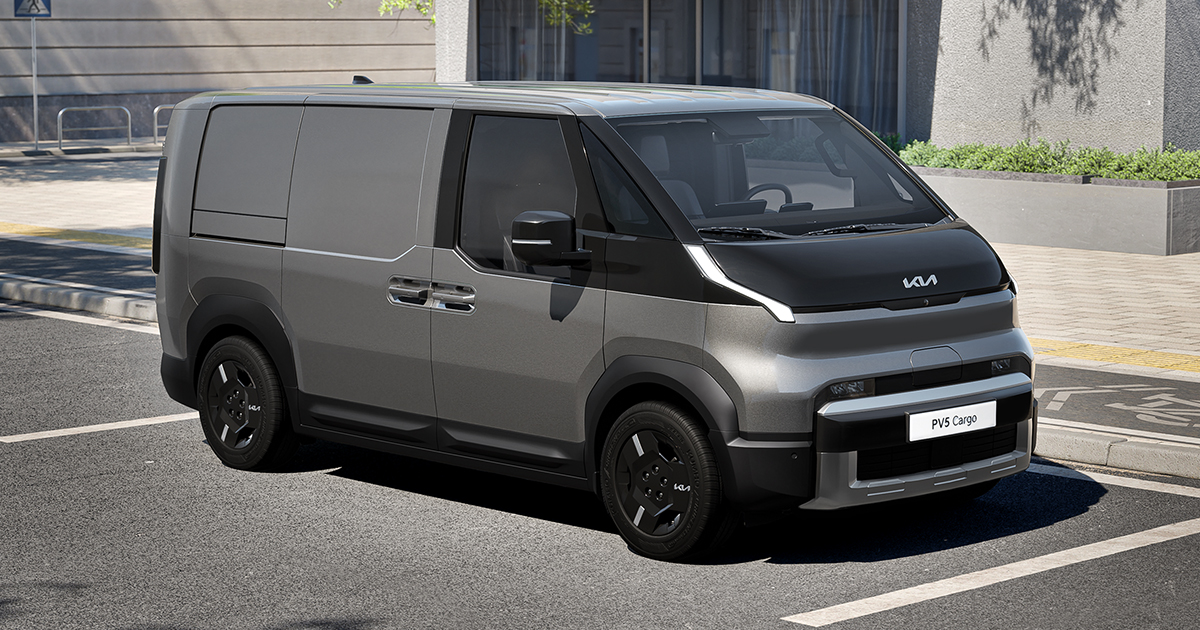
What does the Kia PV5 look like?
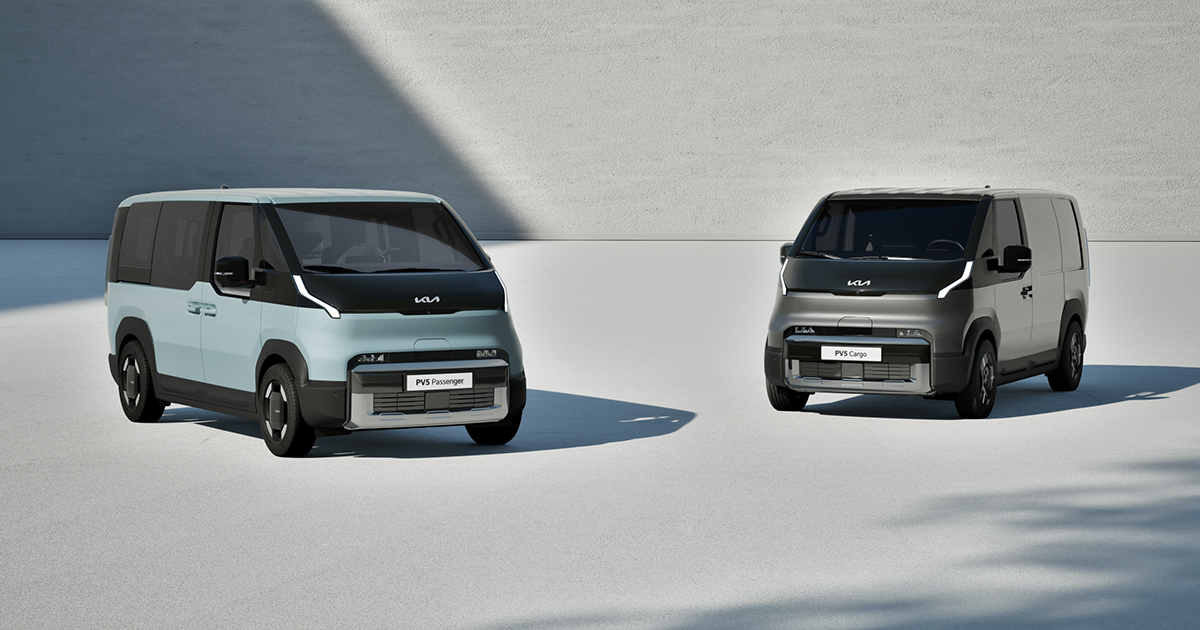
The PV5 is one of the most eye-catching vans on the road. Its clean, boxy design takes inspiration from Kia’s “Opposites United” design language, with flush lighting elements, geometric lines, and an ultra-modern presence. It even features an optional digital display on the front grille to show messages or system updates - an innovative touch that helps it stand out from the crowd.
Visually, it feels more forward-thinking than many rivals. While vans like the Volkswagen ID.Buzz lean on retro charm, the PV5 projects a slick, tech-driven future.
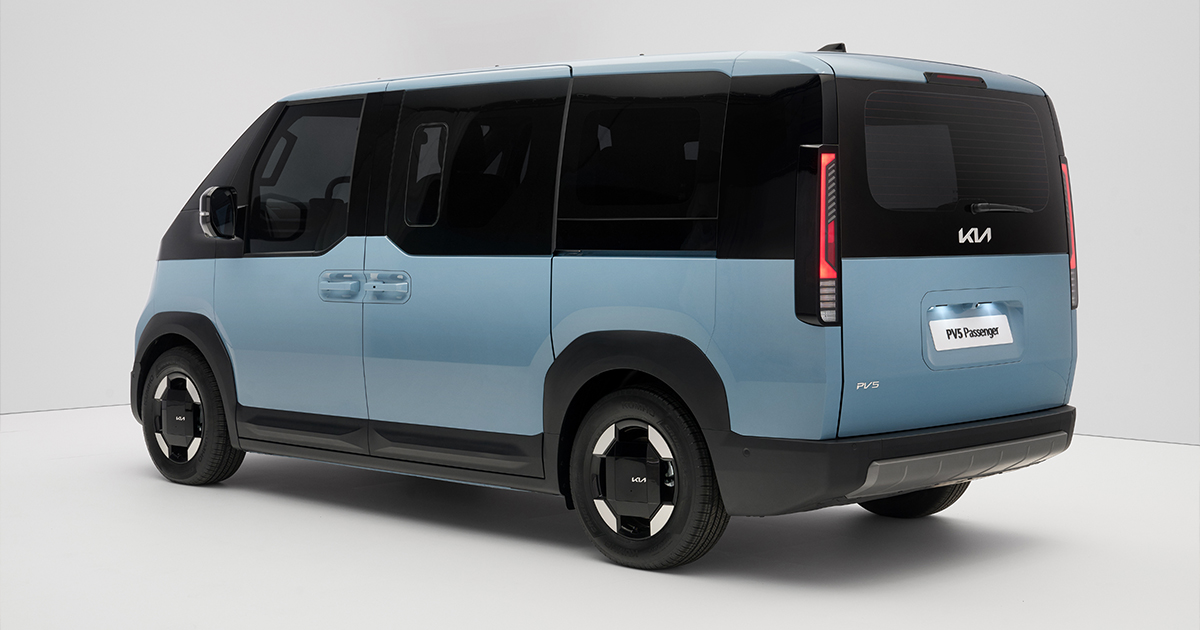
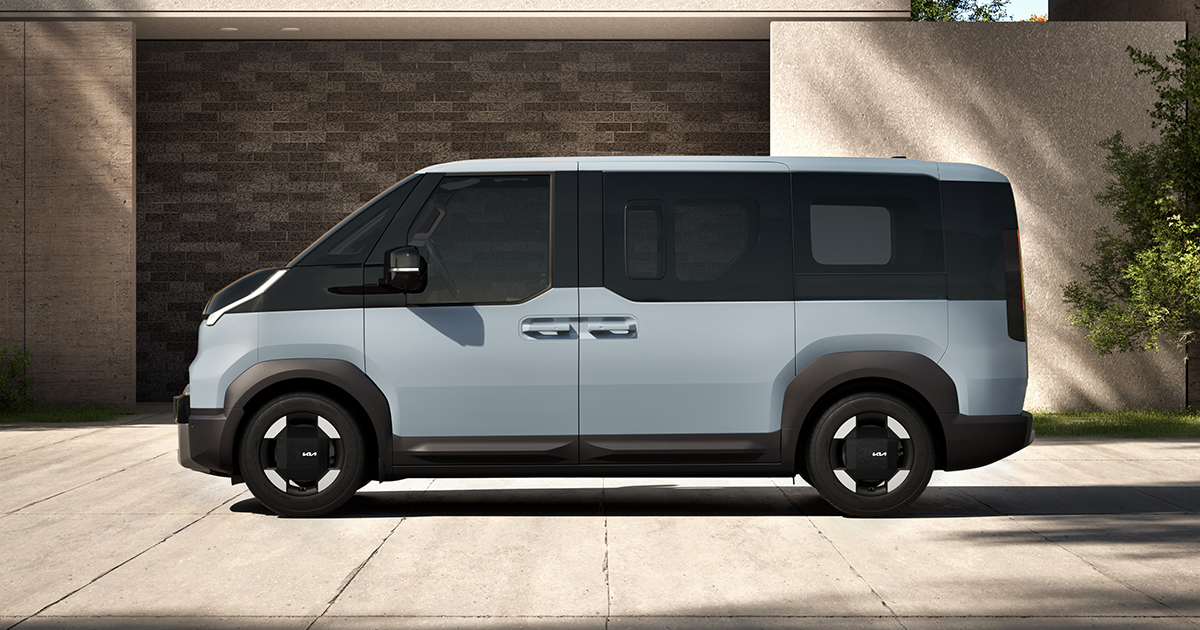
How big is the Kia PV5?
At launch, the Kia PV5 is offered in the L2/H1 configuration, featuring a medium-length wheelbase and standard roof height. This model is available in three body styles: Cargo, Crew, and Chassis Cab. Boasting 4.5 cubic metres of cargo space - enough to carry two Euro pallets - the PV5 is perfectly suited for a diverse range of commercial uses.
For those who need more size flexibility, Kia will introduce additional variants in 2026. These include a shorter L1/H1 model for tighter urban use and a taller L2/H2 version offering a generous 5.1 cubic metres of load space, aimed at those needing extra headroom or higher stacking capability.
Payload capacity depends on the battery option: with the standard 51.5kWh battery, the PV5 can carry up to 790kg, while the larger 71.2kWh battery reduces that figure slightly to 690kg due to added weight. The L2/H1 model measures 4,695mm in length, 1,895mm in width, and 1,900mm in height.
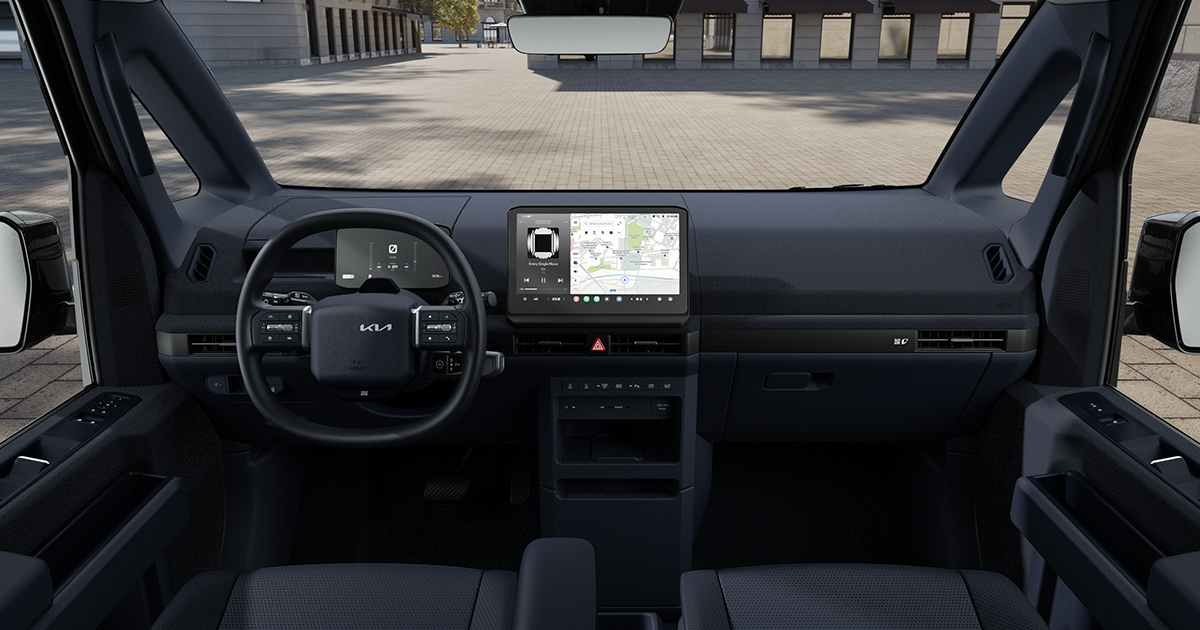
What does the Kia PV5’s interior look like?
Inside, the Kia PV5 is designed to be both functional and modern. The dashboard features a clear, minimalist layout centred around a 12.9-inch touchscreen that runs Android Automotive OS. Meanwhile, a separate 7-inch digital cluster gives the driver clear, real-time driving data.
Kia’s focus on connectivity is evident throughout, with support for over-the-air updates, smart fleet management tools, and integrated digital services. Depending on the variant, the cabin can be configured for passengers, cargo, or a mix of both.
The PV5 Passenger version seats up to seven across three rows, with clever touches like a luggage tray beneath the boot floor and side storage compartments that make the most of the available space.
What is the range of the Kia PV5?
The Kia PV5 is available with two battery options. The standard 51.5kWh battery offers a range of up to 181 miles (WLTP) in the Cargo version and 179 miles in the Passenger variant. The long-range 71.2kWh battery extends that capability to 247 miles for Cargo and 249 miles for the Passenger model.
The PV5’s 400V architecture ensures fast and efficient charging. With a 150kW DC charger, both battery variants can recharge from 10-80% in under 30 minutes, making it a great choice for businesses that need minimal downtime.
How much does the Kia PV5 cost?
Kia is entering the market aggressively with pricing that undercuts key rivals. The PV5 Cargo 'Essential' starts at £27,645 plus VAT, while the Passenger 'Essential' model is priced from £32,995.
Better still, the Cargo version qualifies for the UK Plug-in Van Grant, knocking £5,000 off the price for eligible businesses, bringing the entry point down to just £22,645 plus VAT.
That’s a significant saving compared to the Volkswagen ID.Buzz Cargo (£38,576) or the ID.Buzz passenger version (£59,135), positioning the PV5 as a more accessible option for budget-conscious buyers.
When will the Kia PV5 be available?
UK pre-orders for the Kia PV5 opened on 1 May 2025, with first deliveries expected later in the year. From launch, only the L2/H1 version will be available, offered in Cargo, Crew, and Chassis Cab formats. The shorter L1/H1 and taller L2/H2 models will follow in 2026, providing greater flexibility for specialist or high-capacity needs.
Looking further ahead, Kia is expanding its electric van range under the PBV (Platform Beyond Vehicle) strategy. The PV5 will eventually be joined by the larger PV7 in 2027 and the flagship PV9 in 2029, all built on Kia’s modular, purpose-built EV architecture.
Looking for a new van?
Looking to lease a new van? At Jurni, we make the leasing process effortless and stress-free. Explore our wide range of vans from leading manufacturers like Ford, Citroen, Peugeot, Volkswagen, and Vauxhall.





.png)