

.jpg)

How do electric vehicles work?
The inner workings of electric vehicles are very different from petrol and diesel-fuelled cars (also known as Internal Combustion Engine (ICE) vehicles). ICE vehicles use a ‘combustion process’, which mixes liquid fuel with air to create energy to power the car. In comparison, EVs are powered by electricity which is stored and used efficiently to run the vehicle, with electric power entering the vehicle primarily through charging - though regenerative braking is also used to make a single charge go further.
There are several types of electric vehicles, including hybrids, which actually have a combination of ICE and electric engine components. Compared to fully electric vehicles, hybrids will produce some carbon emissions – though this is much lower than ICE cars fueled entirely by petrol or diesel. However, low carbon emissions (with the added bonus of cheaper ‘fuel’ costs) are one of the many benefits of electric cars.
Regenerative braking
‘Regenerative braking’ refers to the process that happens when electric motors send energy back into the battery that would have otherwise been lost.
When a petrol or diesel vehicle brakes, hydraulic fluid pushes the brake pads against the brake discs on the wheels. This process uses friction to convert the kinetic energy into other forms of ‘wasted’ energy that is lost to the surrounding environment. This slows the car down but isn’t particularly efficient.
On the other hand, electric vehicles are far more economical than combustion vehicles because they are able to take this energy and use it to recharge the batteries, helping to prolong the vehicle’s range. Some energy will still get wasted, so it is not a perfect process, but it certainly helps the vehicle go further on a single charge.
The electric motor in an EV moves in two directions. When moving forward, the motor acts normally, converting electrical energy into mechanical energy. However, when put in the opposite direction, the motor works as a generator, converting mechanical energy into electrical energy.
- When you lift your foot off the accelerator, the vehicle's momentum is used as the tool to turn the motor into reverse.
- The car will begin storing the kinetic energy for later use.
- The vehicle will slow down as this process takes place.
Many EVs have settings for how much regenerative braking occurs when you lift off the pedal. These settings can be adjusted based on your personal preference; switching it to the maximum setting will typically make the vehicle operate almost solely in a single pedal capacity, ideal for easy driving in heavy traffic situations.
Some EVs have ‘single-pedal’ driving, where lifting your foot off the accelerator acts as a brake. For example, in the popular Nissan Leaf, single-pedal driving is called ‘e-pedal’ that can be turned on and off with the switch of a button. But don’t worry, a brake pedal will still be present on all EVs if you’re not slowing down as quickly as desired, so you aren’t completely reliant on one pedal.
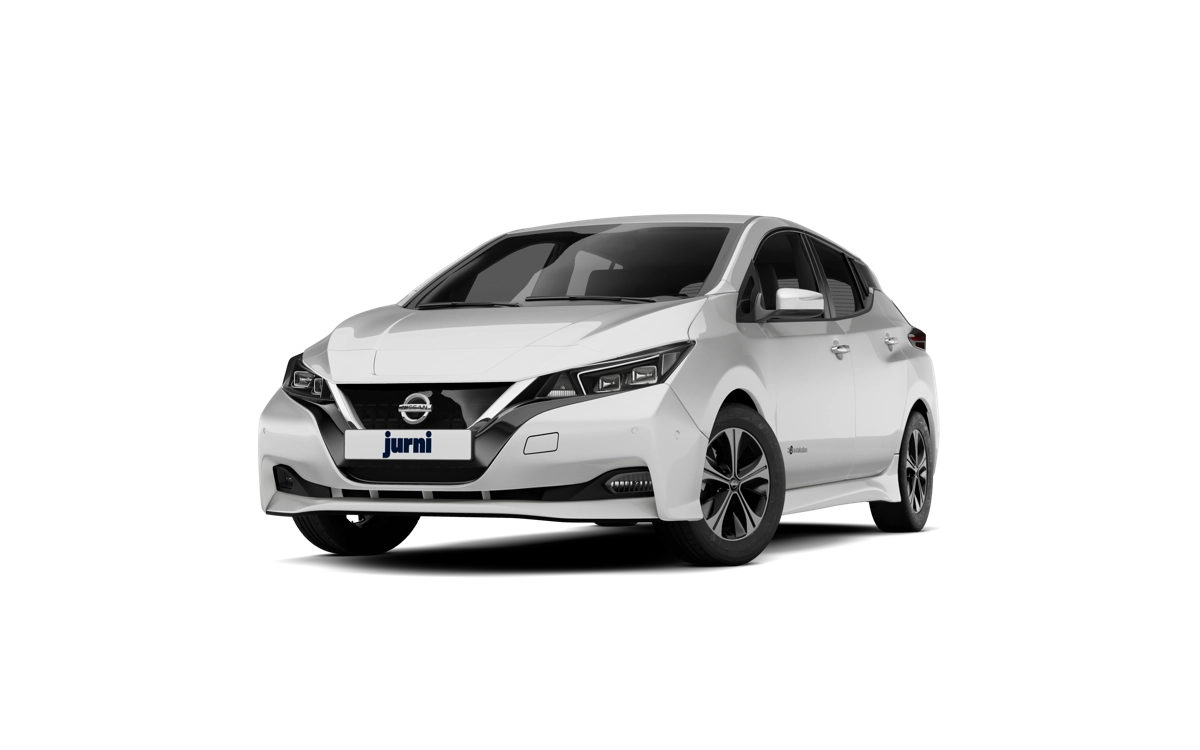
Electric car components
Electric cars have many of the same characteristics of traditional ICE cars, and don’t look very different on the surface. However, under the hood and even under the car itself is a different story. There are far fewer parts in EVs, which means lower maintenance costs.
The main features of EVs you won’t find in ICE cars are the electric motor and the battery.
Electric motor
The electric motor is what moves an electric vehicle, with help from the battery.
The lithium-ion battery powers one or more of the electric motors, which drive the wheels and make the car move. By pressing the accelerator, an EV will instantly convert the stored DC power in the battery into AC power for the motor, which gradually consumes the energy stored in the batteries.
Unlike traditionally-fueled vehicles, an electric vehicle has no alternator to recharge the battery. Instead, the motor adopts this role too, so when the accelerator pedal is lifted, the rotor starts spinning faster, and regenerative braking kicks in, helping to recharge the battery.
Lithium-ion batteries
Fully electric vehicles, also known as Battery Electric Vehicles (BEVs), are powered by large lithium-ion battery packs and not through the burning of petrol or diesel the way a standard Internal Combustion-Engined (ICE) car does.
To simplify, an electric vehicle is a bit like a mobile phone. Mobile phones draw their power from a lithium-ion (Li-ion) battery, and EVs do the same thing but with a much larger pack that's made up of thousands of individual Li-ion cells.
Lithium-ion is common in electronic devices due to its recharging capabilities. These types of batteries have a high energy density, which means that lots of energy can be held within a small space - perfect for powering a car or van.
Lithium-ion is also safer than many of the alternatives out there. To ensure the safety of drivers, different safeguards have been implemented to protect batteries during repeated rapid charging sessions.
Battery capacity and kWh
The capacity of an electric vehicle’s battery is expressed in kilowatt hours (kWh), a measurement of energy. A 1,000-watt drill would need 1,000 watts (also displayed as 1kW) to make it work, meaning to power that drill for 1 hour, you would need 1 kWh of energy.
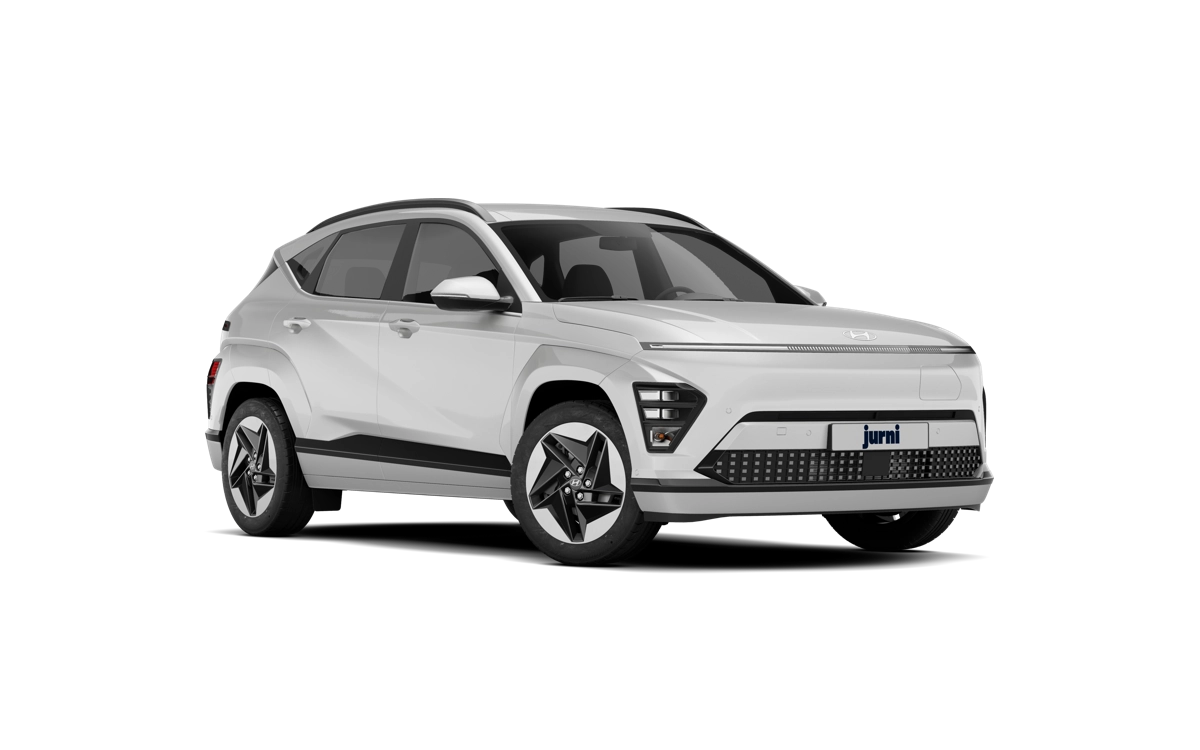
An electric vehicle's battery capacity is usually found in its derivative. For example, the Hyundai Kona has a 65kWh battery that has a range of about 282 miles.
Charging an electric car
Electric cars are ‘fuelled’ in a different way to ICE cars — say goodbye to non-renewable diesel and petrol, and hello to electric power. EVs have high-capacity batteries that store electricity and can be recharged at home, work, or at one of thousands of charging points across the UK.
Speed of charging can vary, but you can expect to connect the charging cable to your car and leave it for at least 30 minutes for a decent boost of power from chargers with 7kW or higher. Home charging takes significantly longer, but it’s generally more convenient than public charging as you’ll have ready access to power anytime you need it - and can even charge overnight on your own driveway. Although it takes a bit longer than a traditional petrol station trip, you’ll find the cost of charging an EV is considerably lower than paying for fossil fuel. You can estimate costs and time using our handy free EV charging calculator.
How long is the lifecycle of an electric car?
When an electric vehicle is charged, electricity makes chemical changes to the Li-ion batteries, which are then reversed as the car is driven, producing electricity. This process is known as discharge.
The battery in an electric vehicle will undergo continuous cycles of charge and discharge throughout its lifespan, which, over time, can cause wear. This wear decreases the vehicle’s electric range slightly, but don't worry - current estimates suggest that a battery pack could last between 10 and 20 years before needing a replacement.
Switch to electric with confidence
Electric vehicles are the environmentally friendly way to drive – and with plans to phase out petrol and diesel, there’s never been a better time to switch to electric power. Not only are you reducing your carbon footprint with an EV, but you can enjoy cheaper running costs, dedicated EV parking, better performance, and an easier way to drive.
If you’re not ready to commit to ownership just yet, leasing an EV with Jurni is a great option to try out the future of driving on a tailored contract that works for you. Plus, if you continue to lease, then you can keep up to date with the latest progressions in technology with a brand new car every few years.



.png)