

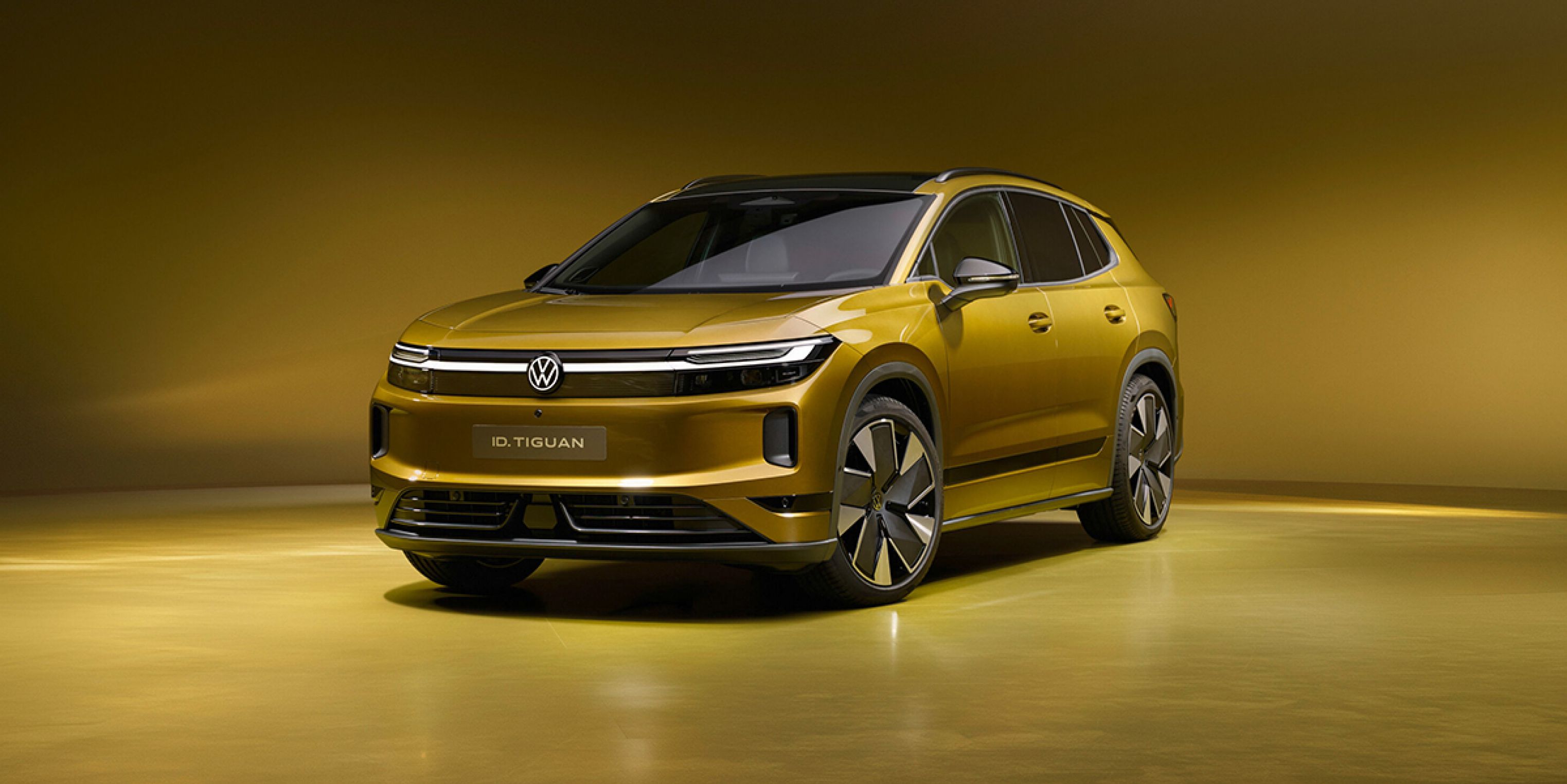

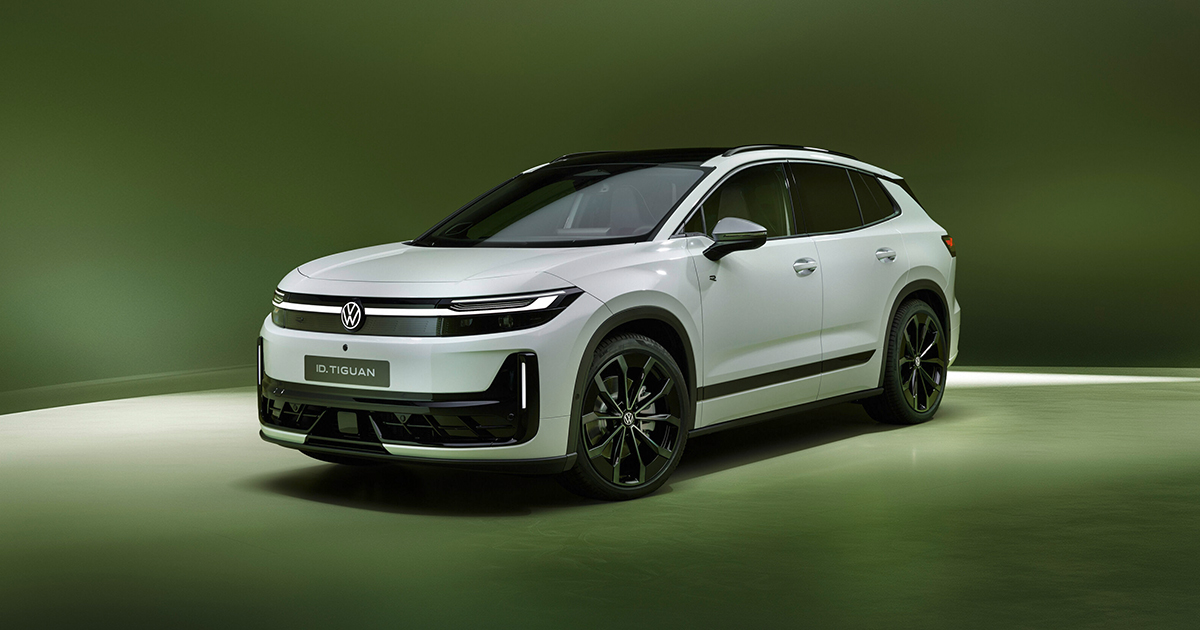
The Volkswagen Tiguan has become one of the brand's most recognisable SUVs. Now, Volkswagen is preparing to take the name in a new direction with the ID. Tiguan – an all-electric model that’s ready to replace the ID.4 and ID.5.
There are some interesting changes, too. Alongside a claimed range of 373 miles, the new model introduces a redesigned interior, physical buttons and even digital displays inspired by classic Volkswagen models.
Here's everything we know about the new ID. Tiguan ahead of its arrival in 2027.
What is the Volkswagen ID. Tiguan?
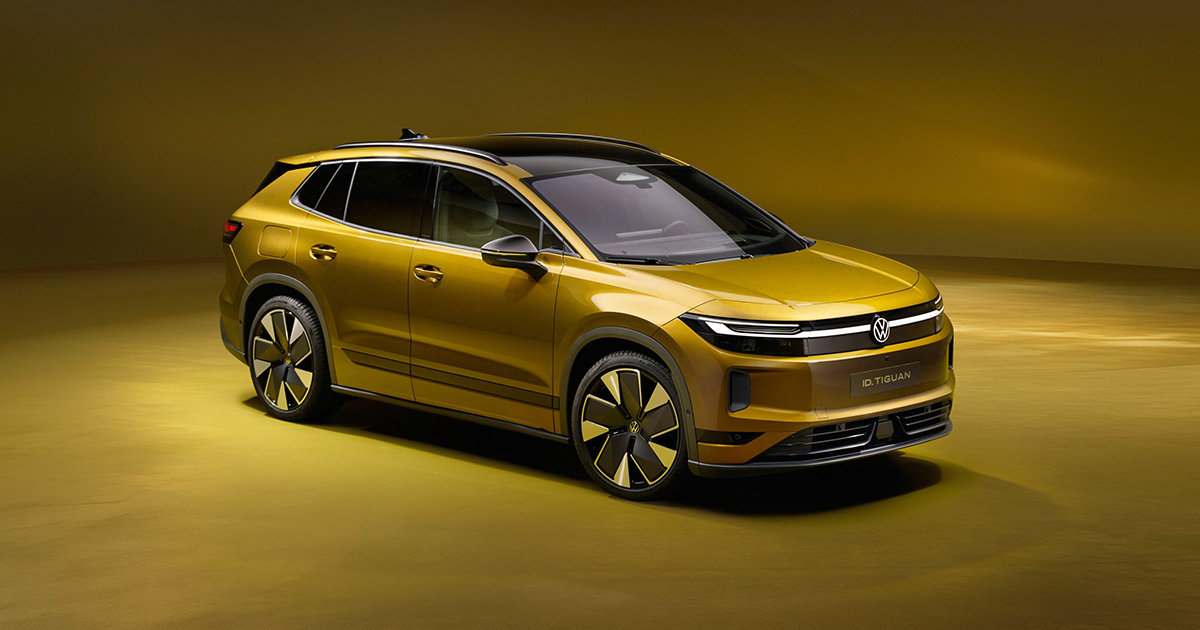
The Volkswagen ID. Tiguan is a new all-electric SUV that will replace the ID.4 and ID.5 in Volkswagen's electric line-up. It will sit alongside the regular Tiguan, which will continue to be available with petrol, diesel and plug-in hybrid engines.
The name is part of Volkswagen's wider move towards using familiar model names across its electric range. Rather than relying on numbered ID models, the brand is bringing well-known cars such as the Polo and Tiguan into its electric family.
It's a significant move for Volkswagen. More than 950,000 ID.4 and ID.5 models have been built since 2021, while the Tiguan name itself has appeared on more than 8.3 million vehicles since 2007.
Based on Volkswagen's updated MEB+ electric vehicle platform, the ID. Tiguan has been designed as a practical, five-seat family SUV. It will be built in Emden, Germany, with the first vehicles expected to arrive in the UK in early 2027.
Exterior design: A new look for Volkswagen's electric SUV
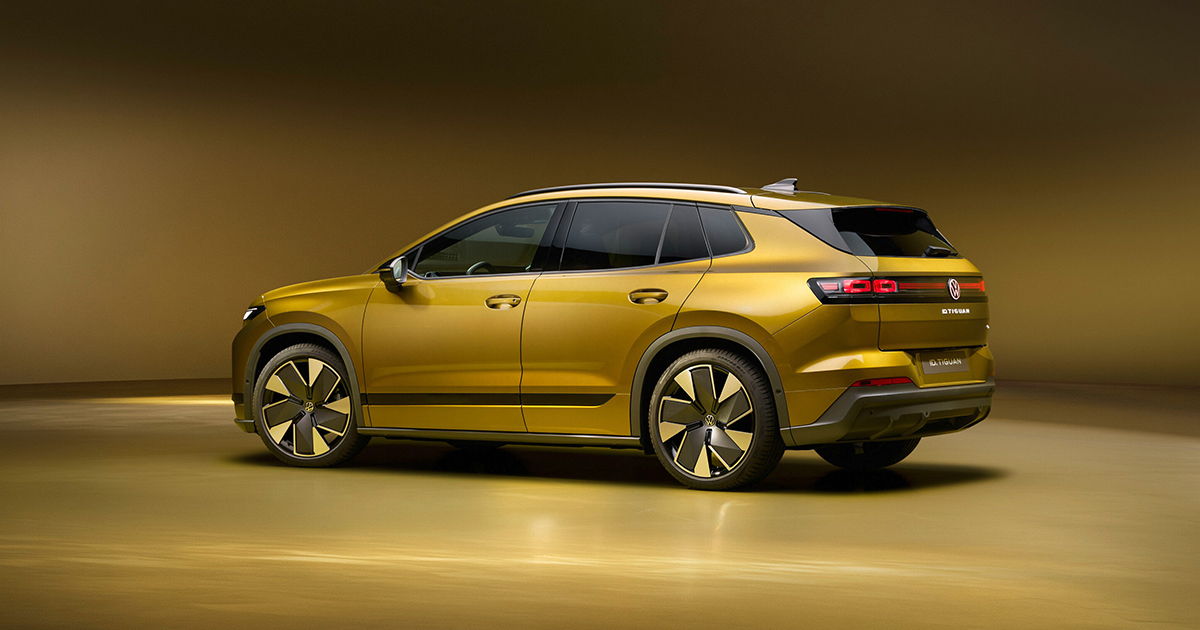
The ID. Tiguan gets a completely redesigned exterior, moving away from the softer, rounded appearance of the ID.4 towards a more defined SUV shape.
There are cleaner lines, a more upright stance and a wider-looking front end, giving the car a more substantial presence on the road. Volkswagen's new 'Pure Positive' design language brings a consistent look to its latest electric models.
The ID. Tiguan has its own distinctive styling, setting it apart from the existing petrol, diesel and hybrid models. It also marks a return to conventional pull-style door handles, replacing the flush-fitting design used on some earlier ID models.
Interior: Physical buttons and retro Golf displays
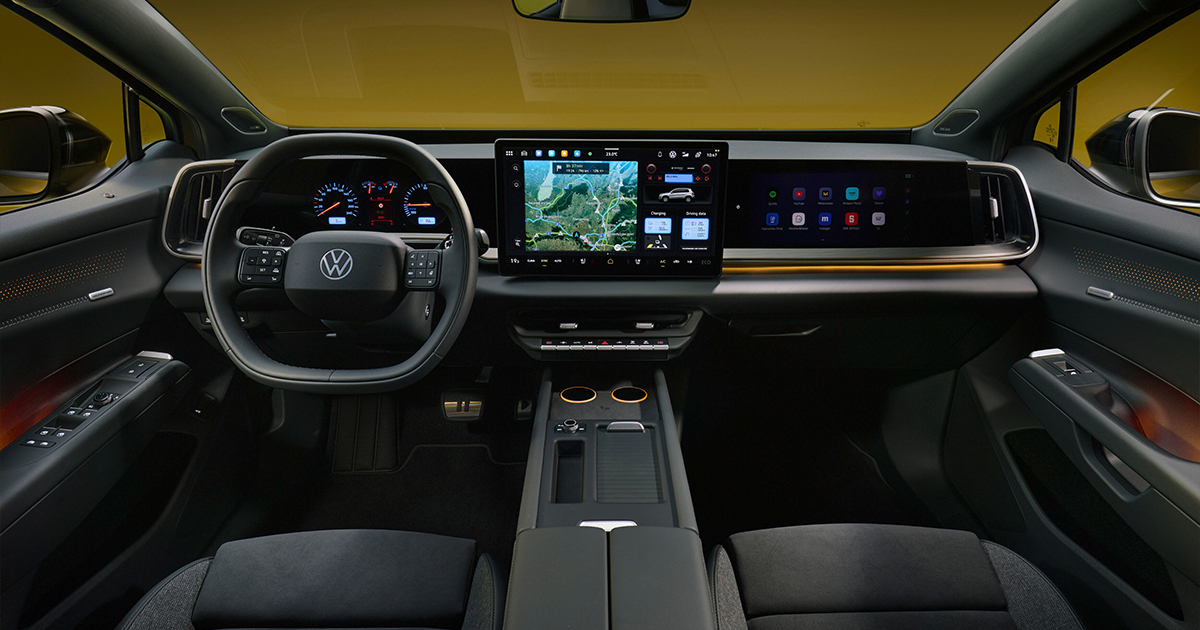
Some of the biggest changes are inside the ID. Tiguan. The dashboard and cabin have been redesigned, with greater emphasis on material quality, clearer controls and a more conventional layout.
One of the most noticeable changes is the return of physical buttons. The multifunction steering wheel now uses proper buttons rather than touch-sensitive controls, while the main climate functions are operated through a dedicated button bar. There's also a central controller for adjusting the audio volume and changing tracks or radio stations.
It's a welcome return to straightforward controls, making everyday functions easier to access without having to navigate a touchscreen.
The dashboard features three digital displays:
- 10-inch driver display: Shows key driving information behind the steering wheel.
- 15-inch infotainment screen: The central touchscreen for navigation, media and vehicle settings.
- 12-inch passenger display: An optional screen for the front passenger, with a privacy mode that prevents its content from being seen by the driver.
There's also a clever nod to Volkswagen's history. Drivers can switch the digital instrument display to a retro layout inspired by the fourth-generation Golf, complete with its familiar blue and red dials. Instead of showing engine revs, the right-hand dial displays the electric motor's power output.
The central infotainment screen gets its own retro feature, with a virtual garage displaying six classic Volkswagen models: the original Golf, Golf II Country, Golf IV, first-generation Tiguan, Race Touareg and Beetle.
Range, batteries and performance
The Volkswagen ID. Tiguan will initially be available with two battery options, offering a choice of rear-wheel drive or all-wheel drive.
The entry-level version uses a 58kWh battery, while the larger 77kWh battery is available with more powerful rear-wheel-drive and all-wheel-drive setups.
Here's how the three versions compare:
As with any electric vehicle, the actual distance covered on a single charge will depend on factors such as driving style, speed, temperature and road conditions.
The smaller battery uses lithium iron phosphate (LFP) chemistry, while the larger battery uses nickel manganese cobalt (NMC) technology.
For charging, the 58kWh version supports DC rapid charging at up to 105kW, while the 77kWh models can accept up to 165kW. A 10–80% charge takes approximately 26 minutes with the smaller battery and 29 minutes with the larger one, using a suitably powerful rapid charger.
The most powerful version is the all-wheel-drive 4MOTION, producing 295bhp. It also offers the highest towing capacity, with the larger-battery models capable of towing up to 2,000kg. The 58kWh version has a maximum towing capacity of 1,800kg.
Practicality and everyday features
As a family SUV, practicality is an important part of the ID. Tiguan's appeal. With seating for five and a 534-litre boot, there's plenty of room for passengers, luggage, shopping and everyday essentials.
There's also something the ID.4 and ID.5 have been missing: a front boot, or 'frunk'. The ID. Tiguan adds a 32-litre storage compartment beneath the bonnet, providing a handy place for charging cables or smaller items.
Other features include one-pedal driving, a digital key that allows compatible smartphones to lock, unlock and start the vehicle, and vehicle-to-load functionality for powering compatible electrical equipment.
Comfort options include electrically adjustable front seats with massage and ventilation functions, a panoramic sunroof and a 480-watt Harman Kardon sound system.
The ID. Tiguan also features Volkswagen's latest Connected Travel Assist system, which can help with motorway driving and assisted lane changes. It can even recognise traffic lights and bring the vehicle to a stop when approaching a red light, where the system is available and conditions allow.
When will the Volkswagen ID. Tiguan be available in the UK?
Volkswagen has confirmed that the ID. Tiguan will arrive in the UK in early 2027. Pre-sales have already opened in some European markets, with the first vehicles expected to follow next year.
The German launch range includes four trim levels: Trend, Life, Style and R-Line. The UK line-up is yet to be confirmed, so we'll have to wait to see which versions will be available here.
There is also no confirmed UK starting price, but expect pricing to begin around the £38,000 mark.
Looking for a new car?
Whether you're considering making the switch to electric or simply looking for your next family car, Jurni can help you find a leasing deal to suit your needs.
Explore our latest car leasing offers and discover a range of vehicles available for personal and business leasing. With a choice of makes, models and contract options, finding your next car could be easier than you think.




.png)