

.jpg)

This puzzling situation is known as a phantom traffic jam – a traffic jam that forms seemingly out of nowhere and then disappears just as mysteriously.
Although they may feel random to drivers, phantom traffic jams are actually a well-studied phenomenon in traffic science. They show how small changes in speed and driver behaviour can ripple through busy traffic and create congestion even when the road ahead appears clear.
What causes a phantom traffic jam?
In theory, if every driver on the road maintained the same speed and left a consistent gap between vehicles, traffic would flow smoothly with no sudden stoppages.
In reality, traffic is controlled by human behaviour. Drivers react at slightly different speeds, brake at different intensities, and adjust their speed based on what they see ahead.
This means that it only takes a minor disturbance to trigger a big ripple effect.
For example, if one driver lightly taps the brakes on a busy motorway, the driver behind them may brake slightly harder to maintain a safe gap. The next driver then reacts more sharply again, and this pattern continues further down the road.
Over time, this creates what researchers call a “traffic wave” – a wave of braking that travels backwards through the flow of vehicles. Even though the original change in speed may have been small, the effect can grow until cars further back in the queue are forced to stop completely.
Once traffic spreads out again, the jam disappears, leaving drivers wondering why they were stuck in traffic in the first place.
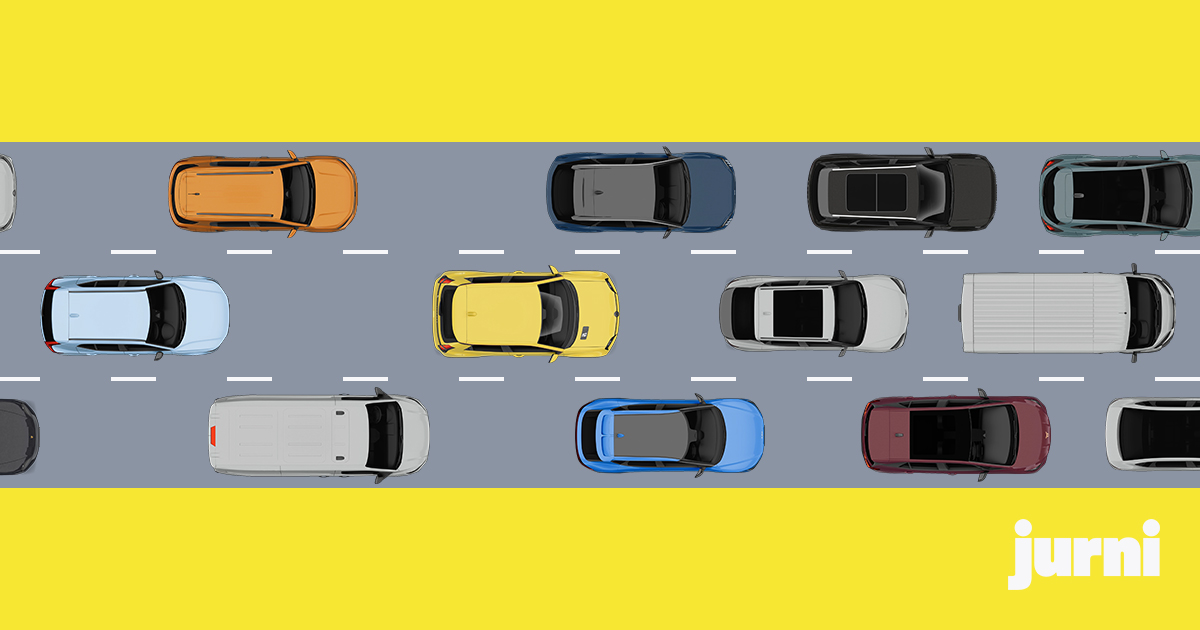
Why traffic jams happen with no accident
Phantom traffic jams are far more likely to occur when traffic density is high.
Studies suggest that when the gap between vehicles on a motorway falls to around 30–35 metres, traffic becomes unstable. At this point, small speed changes can quickly escalate into larger braking waves.
This behaviour is known as dynamic instability, a scientific concept that also appears in natural systems such as sand dunes, ocean waves and cloud formations.
In heavy traffic, the system becomes extremely sensitive. Even small events, like a driver slowing down slightly, can trigger congestion that spreads for miles.
On quieter roads, however, these disturbances are usually absorbed because there is enough space for drivers to adjust smoothly without braking sharply.
Common triggers of phantom traffic jams
Although phantom traffic jams can start with something very small, certain behaviours make them more likely.
One common cause is rubbernecking. This is when drivers slow down to look at an incident on the opposite side of the motorway. Even if the incident doesn’t affect their lane, the brief reduction in speed can create a ripple effect that leads to congestion further back.
Frequent lane changing is another cause that can disrupt the smooth flow of traffic. When vehicles move between lanes, other drivers often slow down to create space, which can trigger the same braking wave effect.
Road layout can play a role, too. Sharp bends, hills or merging traffic can cause drivers to adjust their speed suddenly, increasing the chances of a disturbance spreading through dense traffic.
Ultimately, anything that causes vehicles to slow down unexpectedly can be enough to start a phantom traffic jam.
Why phantom traffic jams are a problem
While they may seem like a minor inconvenience, phantom traffic jams can have wider impacts.
One of the biggest issues is lost productivity. Economists often refer to this as opportunity cost – the time people spend stuck in traffic could otherwise be used for work, travel or other activities.
Traffic also leads to increased fuel consumption and emissions. Stop-start driving is far less efficient than maintaining a steady speed, meaning vehicles burn more fuel and produce more pollution.
There are safety concerns as well. Sudden braking increases the risk of rear-end collisions, while heavy congestion can slow down emergency vehicles trying to reach incidents.
For cities and regions with busy motorway networks, these small disturbances can add up to significant economic and environmental costs.
How can phantom traffic jams be prevented?
Transport authorities have experimented with several ways to reduce the likelihood of phantom traffic jams.
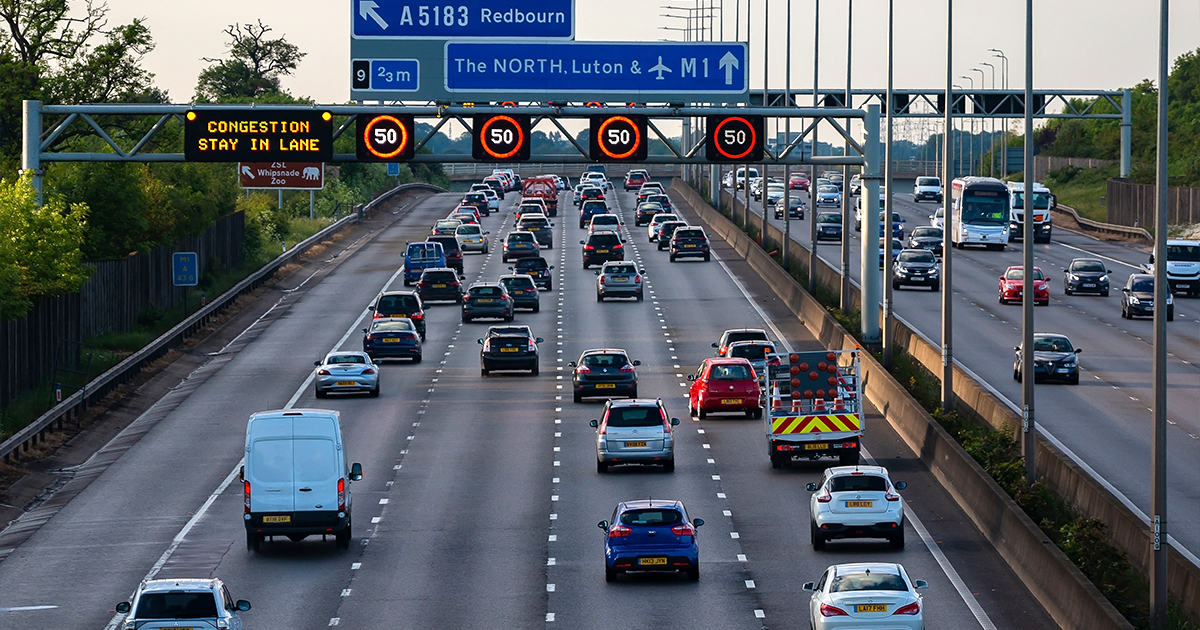
One of the most visible solutions in the UK is the use of smart motorways. These systems use cameras and sensors to monitor traffic flow and automatically adjust speed limits.
If traffic ahead begins to slow, electronic signs can reduce the speed limit further back along the motorway. This encourages drivers to slow gradually rather than brake suddenly when they reach the congestion.
Some countries have also tested putting temporary screens around motorway incidents to prevent rubbernecking. By blocking the view of crashes or breakdowns, drivers are less likely to slow down unnecessarily.
Could technology help reduce phantom traffic jams?
Modern vehicle technology may also help prevent unnecessary congestion.
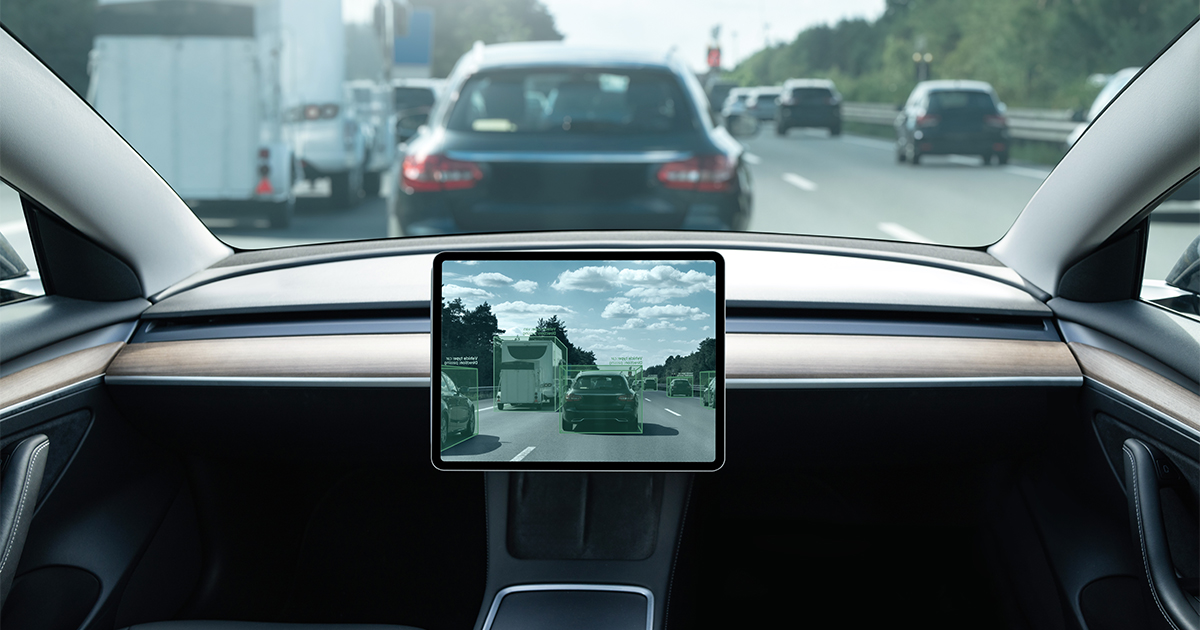
Many new cars are now equipped with adaptive cruise control, which automatically maintains a safe distance from the vehicle in front. Because computers can react faster and more consistently than human drivers, these systems can help smooth out the small fluctuations in speed that cause traffic waves.
Researchers have also explored how connected and autonomous vehicles could reduce congestion. In one study by the University of Cambridge, a fleet of driverless cars was programmed to communicate with each other and coordinate their movements.
The results showed that cooperative autonomous vehicles could improve overall traffic flow by at least 35%, helping traffic move more smoothly and reducing the stop-start waves that cause phantom traffic jams.
While fully driverless traffic is still some way off, the growing adoption of driver-assistance technologies may already be helping to reduce the effects of these mysterious traffic jams.
Looking for a new car?
If you’re thinking about upgrading your car, leasing can be a flexible way to drive the latest models with modern driver-assistance technology for smoother journeys.
At Jurni, we offer a wide range of vehicles to suit different budgets and lifestyles – from efficient city cars to larger family SUVs.
Explore our latest car leasing deals or speak to our team to find the right vehicle for you.





.png)