
.jpg)

If you've ever watched a car review, motorsport event or driving video, you've probably heard the terms understeer and oversteer.
Both describe what happens when a car loses grip while cornering, but they affect the vehicle in very different ways. Understanding the difference can help you better understand how your car behaves and why drivers and manufacturers often talk about handling characteristics.
In this guide, we'll explain what understeer and oversteer are, what causes them, and how they differ.
What is understeer?
Understeer occurs when the front tyres lose grip during a corner, causing the car to turn less than the driver intends.
Instead of following the chosen line through the bend, the vehicle continues to travel wider towards the outside of the corner. Drivers often describe this sensation as the car "pushing wide".
Understeer is the most common handling characteristic in modern road cars, particularly front-wheel-drive vehicles. Manufacturers often favour it because it is generally easier for drivers to manage than oversteer.
What causes understeer?
Understeer happens when the front tyres are asked to do more than the available grip allows.
This can occur if you enter a corner too quickly, apply too much steering input, or accelerate heavily while turning. In front-wheel-drive cars, the front tyres are responsible for steering and delivering power, which can make understeer more likely when grip levels are exceeded.
Road conditions can also play a role. Wet roads, ice, loose gravel and worn tyres can all reduce available traction and increase the likelihood of understeer.
What is oversteer?
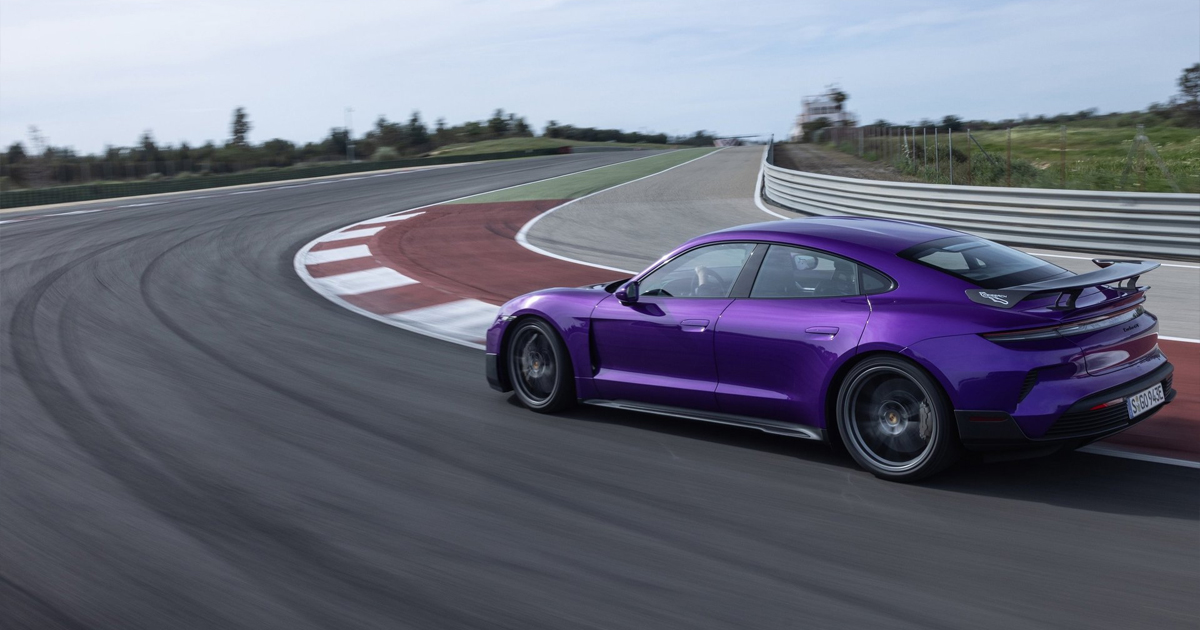
Oversteer occurs when the rear tyres lose grip while cornering.
When this happens, the rear of the car begins to slide outward, causing the vehicle to rotate more sharply than intended. If not corrected, the car can continue to rotate and potentially spin.
Oversteer is most commonly associated with rear-wheel-drive performance cars, although it can occur in any vehicle if grip levels are exceeded.
In motorsport, skilled drivers may deliberately induce oversteer to help rotate the car through a corner. On public roads, however, oversteer is something drivers should avoid.
What causes oversteer?
Oversteer can occur for several reasons.
Applying too much power while exiting a corner can overwhelm the rear tyres, particularly in powerful rear-wheel-drive cars. Sudden braking while turning or abruptly lifting off the accelerator can also shift weight towards the front of the vehicle, reducing rear tyre grip and increasing the chance of oversteer.
As with understeer, poor weather conditions, slippery surfaces and worn tyres can make oversteer more likely.
Understeer vs oversteer: What's the difference?
The simplest way to remember the difference is to focus on which end of the car loses grip.
With understeer, the front tyres lose traction and the car does not turn enough, causing it to drift wide.
With oversteer, the rear tyres lose traction and the back of the car steps outward, causing the vehicle to rotate more than intended.
Is understeer or oversteer better?
Neither is inherently better, as both indicate that the tyres have exceeded their available grip.
For everyday driving, understeer is generally considered safer because it tends to develop more gradually and is easier for most drivers to recognise and correct. This is one reason why many manufacturers tune road cars to favour mild understeer.
Oversteer can help performance cars feel more agile and responsive, but it usually requires more driver skill to manage safely.
Do modern cars still suffer from understeer and oversteer?
Yes, although modern technology helps reduce the risk.
Most new cars are equipped with electronic stability control (ESC), traction control and advanced safety systems designed to detect and correct a loss of grip before it becomes severe.
These systems can brake individual wheels, reduce engine power and help keep the vehicle stable when understeer or oversteer begins to occur.
However, no technology can overcome the laws of physics. Driving too quickly for the conditions can still cause a vehicle to lose traction.
Looking for a new car?
Whether you're searching for a practical hatchback, family SUV or performance-focused model, leasing can be a flexible and cost-effective way to drive a new vehicle.
At Jurni, we offer a wide range of car leasing deals to suit different needs and budgets. Explore our latest offers or get in touch to find the right car for you.





.png)