

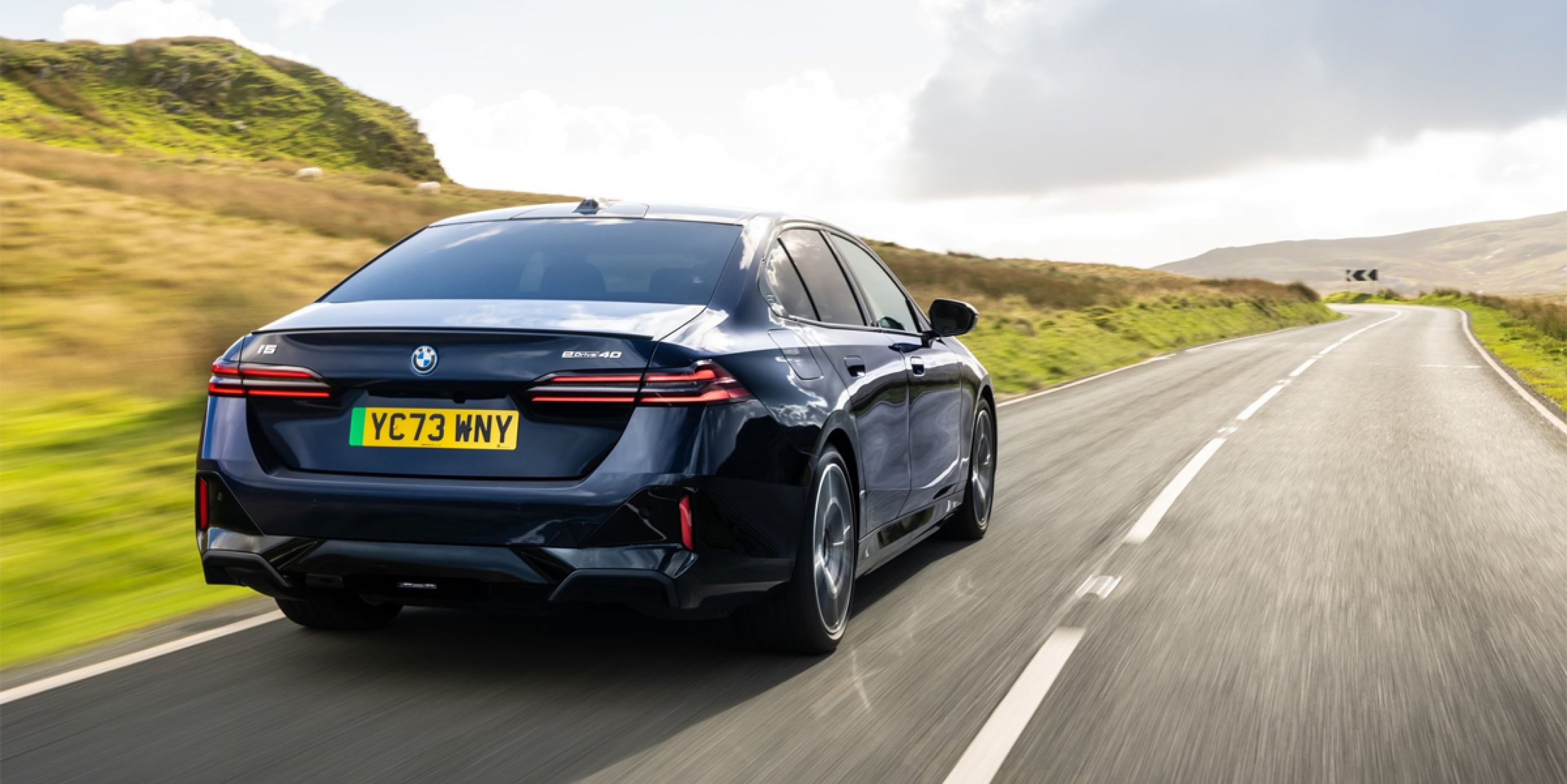

If you've ever driven abroad, you'll know that the UK is among the few countries that drive on the left. But have you ever stopped to think why?
The answer goes back much further than the invention of the car. In fact, the tradition is thought to date back hundreds, possibly thousands, of years. In this article, we'll explain why the UK drives on the left and how the rest of the world ended up doing things differently.
Where did driving on the left originate?
There isn't one definitive answer to where left-hand travel began, but one popular theory takes us back to ancient times.
Most people throughout history have been right-handed. When travelling on horseback, keeping to the left meant your right hand was positioned towards anyone approaching from the opposite direction. This was particularly useful when carrying a sword, as it left your dominant hand free to defend yourself if necessary.
There were practical advantages too. Horse riders traditionally mount from the left-hand side of their horse. Keeping to the left meant they could do this from the roadside rather than standing in the middle of the road, where they might be in the way of other travellers.
Interestingly, archaeological evidence suggests that the Romans may have followed a similar practice. Excavations have found evidence of heavier wear on the left side of some ancient roads, which could indicate that carts and chariots travelled on that side.
Although we can't say for certain that this is where the tradition began, it suggests that keeping left was already established long before cars came along.
When did driving on the left become law in Britain?
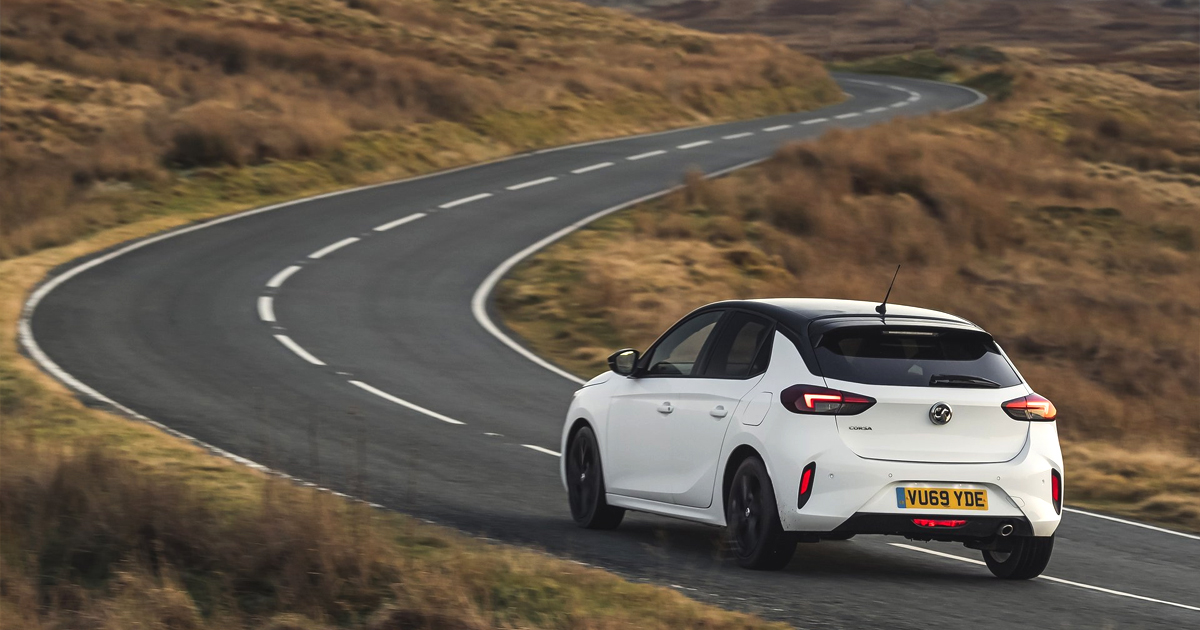
For centuries, travelling on the left was more of a custom than a nationwide legal requirement. However, as roads became busier and horse-drawn traffic increased, having a consistent rule became important.
One of the earliest recorded British rules dates back to 1756, when traffic was instructed to keep left on London Bridge. Similar rules were introduced in parts of Scotland in the following years.
The biggest change came with the Highway Act 1835, which made keeping left a legal requirement on roads throughout Great Britain and Ireland.
This established the rule that we still follow today. Even as horse-drawn carriages gradually gave way to motor vehicles, there was no reason to change a system that people were already familiar with.
Why do most countries drive on the right?
If Britain had established a preference for keeping left, why did so much of the world end up doing the opposite?
One of the biggest influences came from France during the late 18th century.
Before the French Revolution, road customs in France were partly influenced by social class. The aristocracy traditionally travelled on the left, while ordinary people were often pushed towards the centre or right-hand side of the road.
However, following the French Revolution in 1789, these distinctions began to disappear. Keeping to the right became associated with equality and a rejection of the old aristocratic customs. It was also a way of moving away from the traditions of the previous regime.
Napoleon later helped spread right-hand driving across Europe. As his armies conquered neighbouring territories, he introduced the same traffic rule in many of them. Countries including Germany, Italy, Spain, Belgium, the Netherlands and Switzerland gradually adopted the practice.
Over time, right-hand driving became the norm across much of mainland Europe, with neighbouring countries increasingly following the same system to make cross-border travel easier.
A similar change was also taking place across the Atlantic. In the United States, large horse-drawn freight wagons were becoming popular during the 18th century. These were pulled by teams of horses, with the driver often sitting on the horse at the back left of the team. This position allowed them to control the horses with their dominant right hand holding the whip.
As a result, keeping to the right of the road made it easier for drivers to see how close the wheels were to an approaching wagon when passing. Right-hand travel was already common in parts of colonial America, but these large wagons helped reinforce the practice. Pennsylvania introduced a legal requirement to keep right on one of its turnpikes in 1792, with other states following over the years.
Between French influence across Europe and American influence across the Atlantic, right-hand driving gradually became the dominant system in much of the world.
How did Britain spread left-hand driving around the world?
Britain's influence extended far beyond Europe, and its road customs travelled with it.
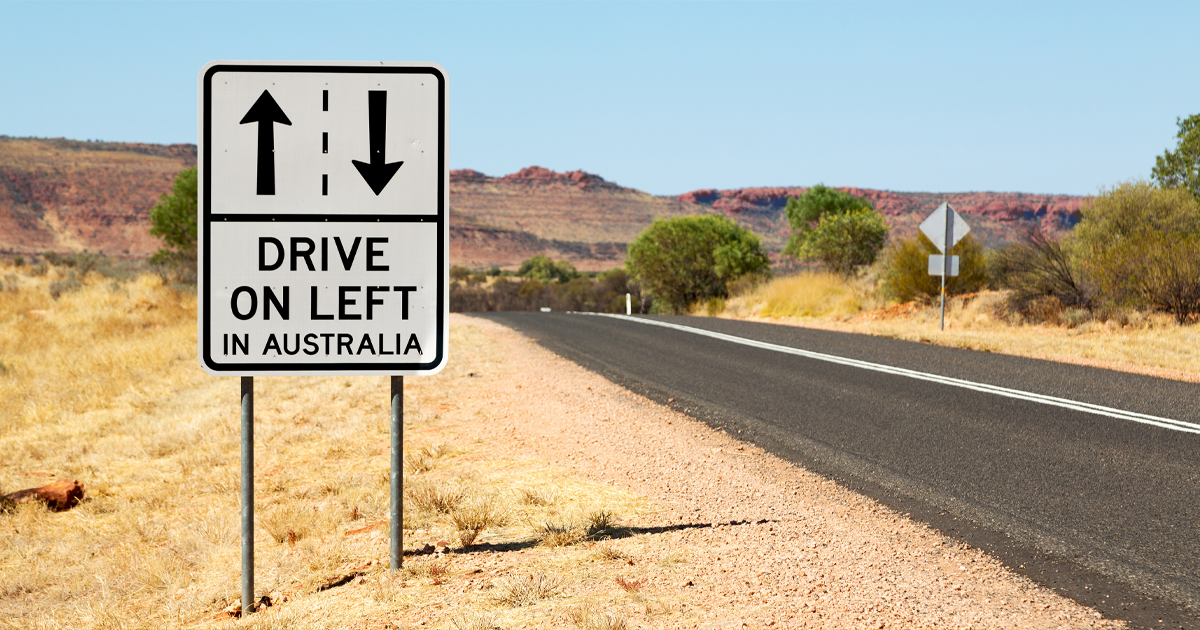
As the British Empire expanded, left-hand traffic was introduced in many of its territories. This is why countries such as Australia, New Zealand, India and South Africa still drive on the left today.
Not every country that drives on the left was part of the British Empire, though. Japan, for example, also follows left-hand traffic, with its own history and influences behind the practice.
Geography has played a part in keeping these differences in place too. Britain is separated from mainland Europe by the English Channel, while many other left-driving countries are islands or have borders with neighbouring countries that follow the same system.
Which countries have changed sides of the road?
Although most countries have kept the same system for generations, a number have switched from one side to the other. Two interesting examples are Sweden and Samoa.
Sweden's switch in 1967
Sweden is one of the best-known examples of a country changing from left-hand to right-hand driving.
For years, Sweden had been surrounded by countries that drove on the right, including Norway and Finland. As international travel and trade increased, the differences became more inconvenient.
The Swedish government eventually decided to make the change, despite considerable public opposition. In a 1955 referendum, around 83% of voters rejected the idea.
However, the decision went ahead, and the country spent several years preparing for the changeover.
Known as Dagen H, the switch took place on 3 September 1967. Drivers were instructed to stop their vehicles shortly before 5am, before carefully moving over to the right-hand side of the road when traffic resumed at 5am.
The change required an enormous amount of preparation. Road signs had to be replaced, traffic lights adjusted, road markings repainted and public transport adapted. Drivers also needed to get used to a completely different way of using the roads.
Despite the scale of the operation, the changeover was carried out successfully, and Sweden has driven on the right ever since.
Samoa switches to the left in 2009
A more recent example came in September 2009, when the Pacific island nation of Samoa switched from driving on the right to driving on the left.
The reason was largely practical. The government wanted to make it easier and cheaper for people to import vehicles from nearby countries such as Australia and New Zealand, where left-hand traffic is the norm.
The change took place at 6am on 7 September 2009. Drivers were given time to prepare, while a public holiday and additional safety measures helped keep traffic levels down during the transition.
It was a major undertaking, but Samoa successfully made the switch. It remains a rare example of a country moving from right-hand to left-hand traffic.
What happens when countries driving on different sides meet?
You might assume that countries which drive on opposite sides of the road would have a problem where their borders meet. After all, traffic can't simply continue in the same direction when one country keeps left and the other keeps right.
In reality, there are several ways to manage this.
At some border crossings, traffic lights and road signs help drivers move safely onto the correct side. Others use specially designed junctions, bridges and flyovers to redirect vehicles without interrupting the flow of traffic.
One interesting example is the Lotus Bridge, which connects Macau with mainland China. Macau follows left-hand traffic, while mainland China drives on the right. The bridge's design allows vehicles to change sides as they travel between the two regions.
Will the UK ever switch to driving on the right?
Given that most countries drive on the right, you might wonder whether the UK will ever follow suit.
In reality, a change seems highly unlikely. The country has driven on the left for centuries, and switching would require a huge amount of planning and investment.
Road signs, junctions, traffic lights, road markings and public transport would all need to be adapted. Drivers would also have to learn new habits, while the country's connections with Ireland and other left-driving nations would need to be considered.
There would be little practical benefit in making such a significant change, particularly when the existing system works perfectly well.
So, while driving on the left might seem unusual to visitors from other countries, it's a tradition that is firmly established in British motoring.
Looking for a new car?
Explore our latest car leasing deals and find a vehicle to suit your needs. From a wide choice of makes and models to flexible contract options, we have plenty of options to suit your needs.





.png)