

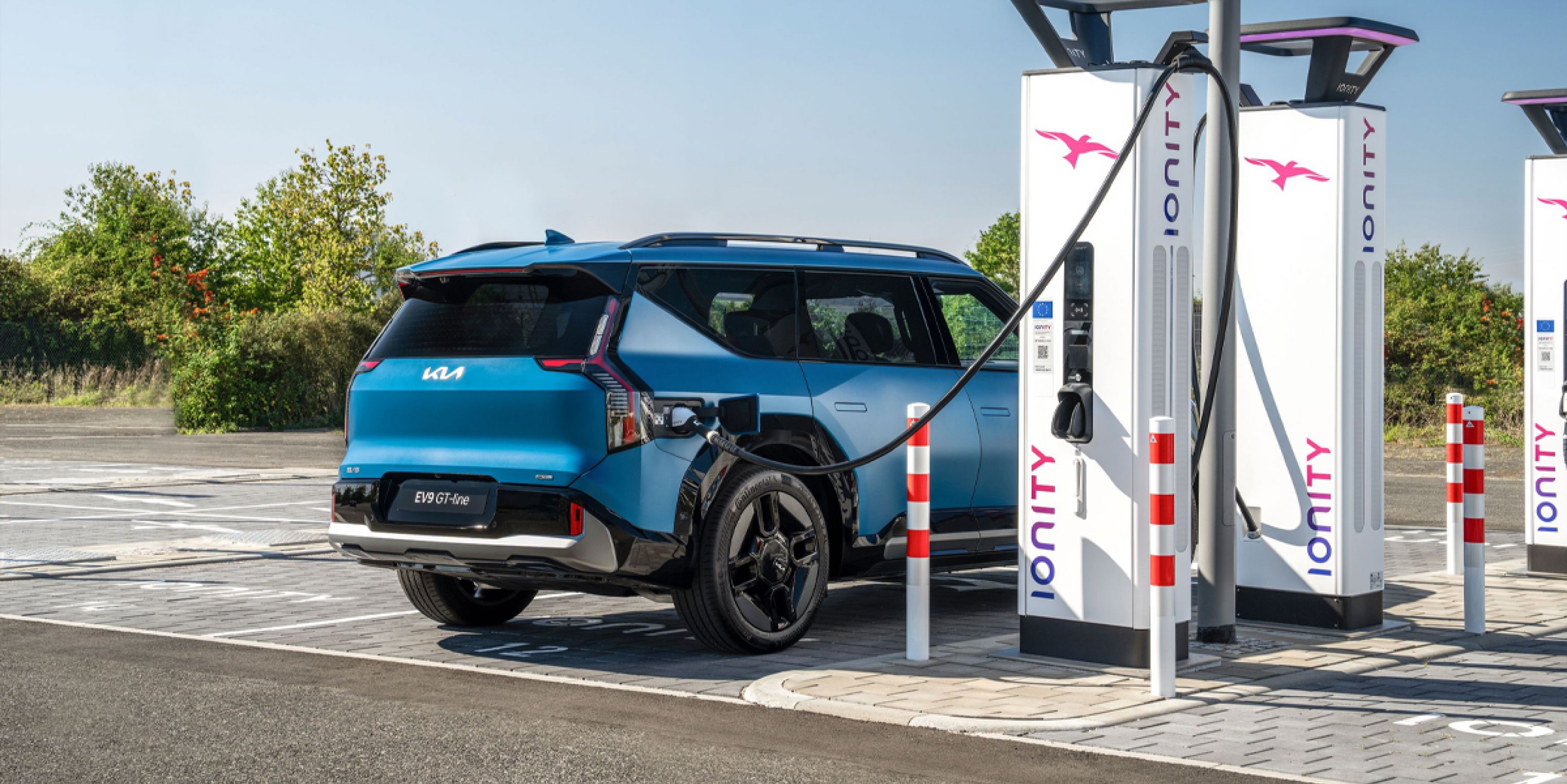

If you've been looking at electric cars, you've probably come across the term WLTP, but what does it really mean?
WLTP figures give you a standardised way to compare the range of different electric cars. However, the distance you'll actually travel on a full charge can be different. Here's what you need to know.
What does WLTP stand for?
WLTP stands for Worldwide Harmonised Light Vehicle Test Procedure. It's a standardised test used to measure a vehicle's fuel consumption, CO₂ emissions and, for electric cars, driving range.
Introduced in 2017 to replace the older NEDC testing system, WLTP was designed to give a more realistic indication of how cars perform than previous laboratory tests.
For electric cars, the result is an official range figure, measured in miles, which manufacturers use when advertising their vehicles.
What does WLTP range mean?
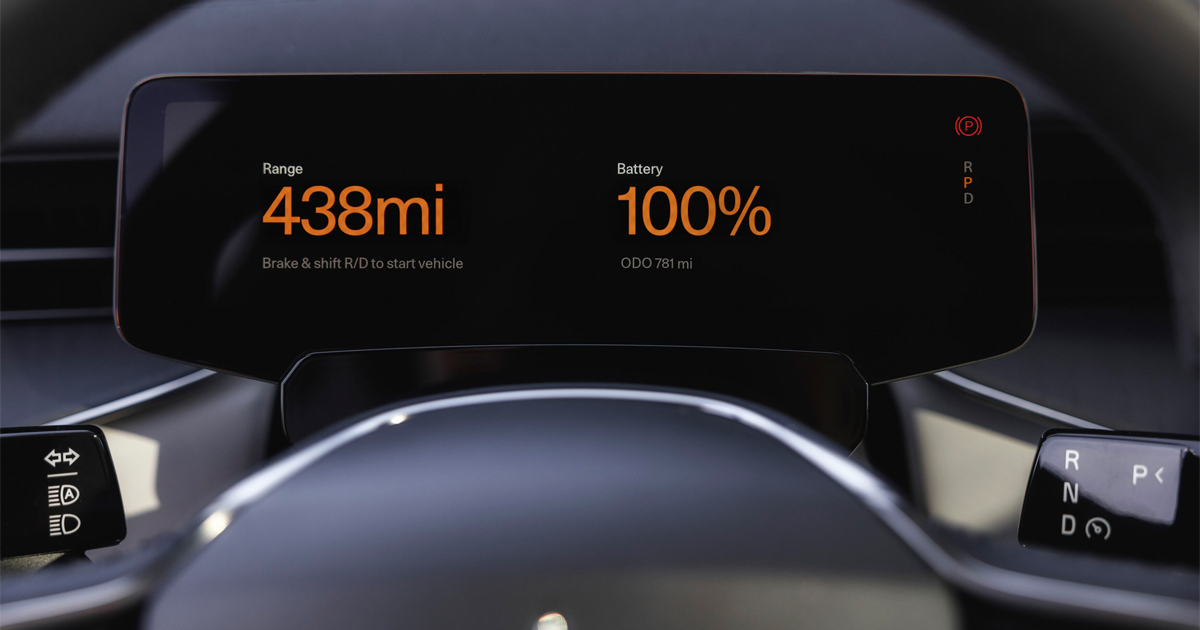
WLTP range is the estimated distance an electric car can travel on a full battery charge under standardised test conditions.
For example, if an electric car has a WLTP range of 300 miles, that means it achieved that distance during the official test. It doesn't guarantee you'll get 300 miles from every charge.
The figure is best used as a guide when comparing electric cars. Because manufacturers use the same testing procedure, it gives you a consistent way to see which models offer more range.
Why is real-world electric range different from WLTP?
You might find that your electric car doesn't quite achieve its advertised WLTP range. That's perfectly normal.
The WLTP test takes place under controlled conditions, whereas everyday driving involves changing weather, road types and driving styles. Several things can affect how far your battery takes you:
- Speed: Driving at higher motorway speeds generally uses more energy than travelling at lower speeds.
- Temperature: Cold weather can reduce battery efficiency, meaning you may get fewer miles from a charge.
- Heating and air conditioning: Heating the cabin or using air conditioning draws energy from the battery.
- Driving style: Rapid acceleration and heavy braking can increase energy consumption. Smooth, steady driving can help improve efficiency.
- Road conditions: Hills, traffic, road surfaces and the weight you're carrying can all affect range.
This means a car with a 300-mile WLTP range might achieve less in colder weather or on regular motorway journeys, for example.
Is WLTP range accurate?
WLTP is a useful and consistent way to compare electric car ranges, but it's not a prediction of exactly how far you'll travel.
Think of it as a benchmark rather than a guarantee. Two electric cars with similar WLTP figures should offer broadly comparable official ranges, but their real-world performance will depend on how and where you drive.
It's also worth remembering that your car's displayed range may change depending on your recent driving habits and conditions.
How much WLTP range do I need?
The right electric range depends on how you use your car. If most of your driving involves commuting, shopping and local journeys, you might not need as much range as someone regularly travelling long distances.
As a rough guide:
- Up to 200 miles: Suits shorter daily journeys, particularly if you can charge at home.
- 200–300 miles: Offers a useful balance for everyday driving and occasional longer trips.
- 300–400 miles: Gives you more flexibility for regular motorway journeys and longer distances.
- 400+ miles: Ideal if you want to minimise charging stops on longer journeys.
These are broad guidelines rather than strict rules. Your weekly mileage and access to charging are just as important as the advertised range.
What is the difference between WLTP and NEDC?
NEDC (New European Driving Cycle) was the older system used to measure vehicle fuel consumption and emissions. It was introduced in the 1980s and eventually became outdated as cars and driving conditions changed.
WLTP replaced NEDC with a longer test, higher average speeds and a wider range of driving conditions. It also takes more account of how different vehicle specifications and optional equipment can affect efficiency.
The result is a more representative set of figures, although real-world driving will still vary.
Looking for an electric car?
Understanding WLTP range makes it easier to compare electric cars and find one that suits your driving needs. Whether you're looking for a car for the daily commute or something capable of longer journeys, there's plenty of choice.
At Jurni, you can explore our latest electric car leasing deals and compare models to find your next electric car.





.png)