
.jpg)

- Benefits of car leasing
- Leasing considerations and drawbacks
- What are the benefits of leasing a car for businesses?
- Why is leasing a car better than buying?
Benefits of car leasing
Leasing has become one of the most popular ways of acquiring a brand new vehicle in the UK as a more affordable option that has many benefits over buying outright. In this guide, we cover 9 reasons why leasing is a good idea, as well as 3 additional benefits for businesses.
1. Drive the latest vehicles on the market
Leasing a vehicle is less commitment than buying a car outright, allowing you to drive a brand new vehicle every few years without the hefty price tag of purchasing. At the end of your agreement, simply return your car to the lender and start a new lease for the latest model to keep up with the latest trends. You’ll be notified 6 months before the end of your finance agreement to allow you time to arrange a replacement if needed.
When you lease through a credit broker like Jurni, you get access to competitive deals and pricing across a range of cutting-edge cars that include the latest technological developments within the automotive industry.
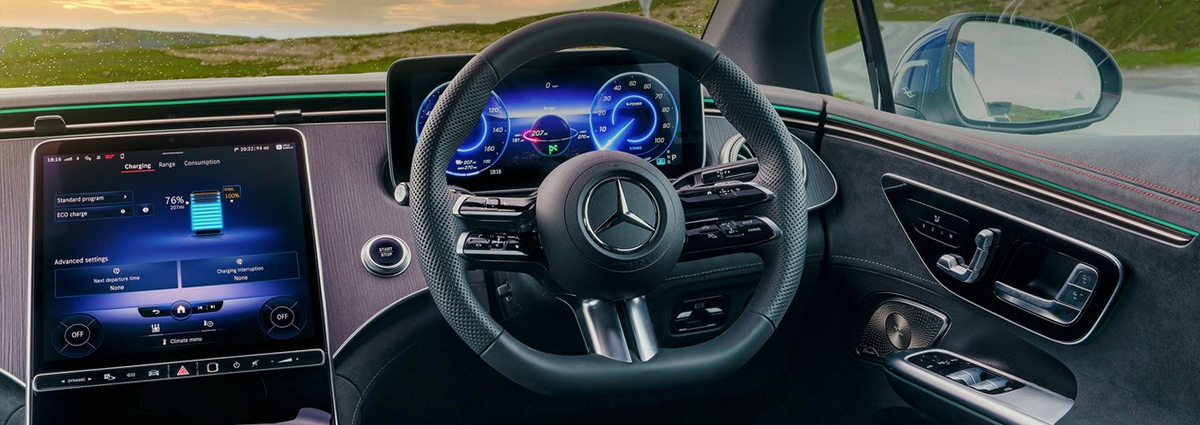
Newer models have advanced safety features, user-friendly tech, and countless innovations that make them easier to drive and reduce stress about deteriorating parts breaking down. For businesses, leasing the latest cars rather than buying outdated but more affordable vehicles is a great opportunity to improve your company’s image, stand out against competitors, and offer your employees the pick of the fleet.
2. Avoid the hassle of selling
With a vehicle lease, you never take ownership, meaning you relinquish the hassle and fuss associated with selling the vehicle on. All you have to do is return your vehicle at the end of your contract, at which point you can begin a new leasing contract if you want to.
Depreciation isn’t something you’ll need to worry about with a lease. This risk sits with your lender as the legal owner, so you don’t need to deal with the unpredictable used car market negatively impacting your investment.
3. Affordable, manageable monthly payments
Purchasing a vehicle outright is a big investment, especially when you buy a new car. Leasing offers smaller, more manageable monthly payments that are spread out equally across the length of your contract. You'll still have one initial upfront payment to make, but this is flexible and can be low-cost, especially compared to purchase prices.
4. Less maintenance
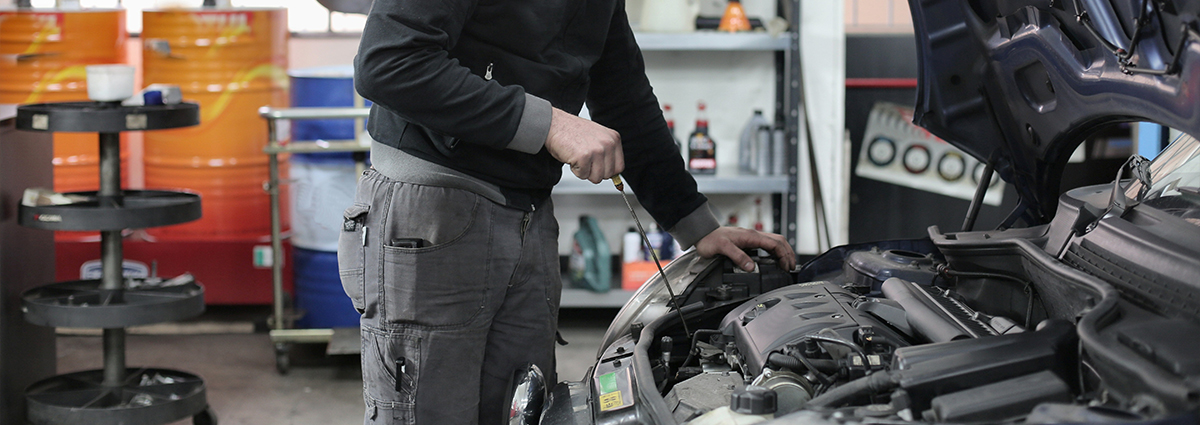
A brand new lease vehicle is less likely to need as much maintenance compared to a second-hand vehicle with thousands of miles on the clock. Not having to worry about constant maintenance will help make your life easier – and save you money too.
Some lease agreements have the option to add on a maintenance package, which means you’ll be covered for routine servicing and repairs throughout your agreement. This cost is added to your monthly payments, making this even easier to budget and manage.
5. Avoid MOTs
If you opt for a 2-year contract, you'll be able to skip the hassle of an MOT check-up. This is because new vehicles only need an MOT on their third birthday, at which point your contract will have already finished! Even if your contract lasts for 5 years, you’ll only have to take the vehicle in for its MOT from the third year.
6. Choose from a wider range of vehicles
You’ll have a broader selection of cars and vans to choose from for your lease, as you’ll be able to afford more on a monthly basis rather than being constrained by the full purchase price.
Explore deals on vehicles of all shapes and sizes to suit your needs, from small superminis for city driving to LCVs for commercial use.
7. Go electric!
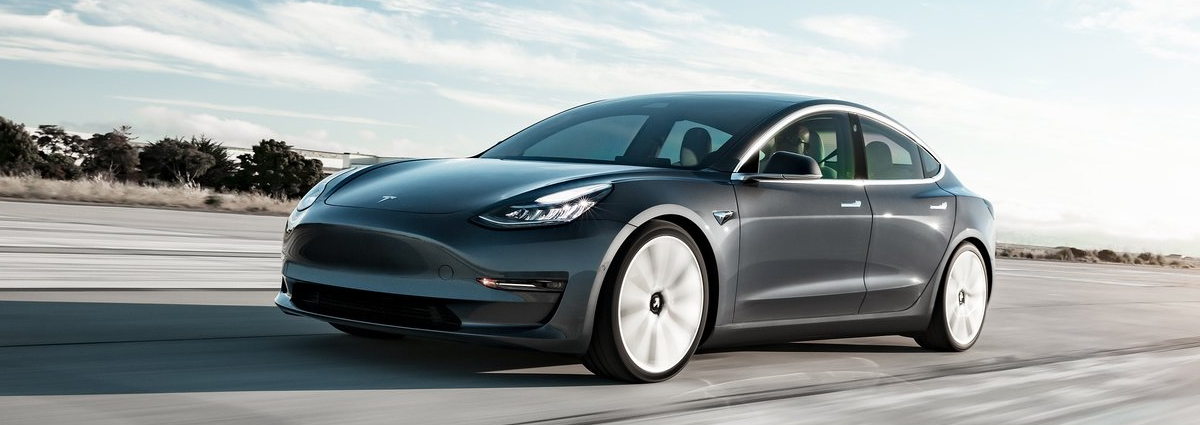
The electric vehicle industry is a rapidly growing and developing sector, so things like battery technology can quickly become dated. The average driving range on EVs from 5 years ago isn't anywhere near a match for the EVs being manufactured today. However, buying a new EV outright is much pricier than buying a petrol or diesel car.
Leasing an electric vehicle is the ideal way to overcome these challenges, as you can keep up to date with the latest advancements in low-emission technology in a more affordable way. The benefits of going electric are ever-increasing, offering a greener way to drive in your personal life and your business fleet.
8. Tailored and flexible lease agreements
You might be surprised to discover how flexible personal and business lease agreements are. Depending on your circumstances, needs, and goals, you’ll be able to tailor your agreement to work for you. Choose the length of your agreement and how much you want to pay upfront to ensure the remainder of the monthly payment works for your budget.
The most common lease types you’ll see are Personal Contract Hire (PCH) for individual use and Business Contract Hire (BCH) for commercial use. PCH and BCH are fixed-term and mileage-based agreements for a vehicle, lasting between 2 and 5 years. Personal agreements apply to car leasing, while business agreements include both cars and vans. However, there are more lease types available, so make sure to discuss this with your broker to find the right option for you.
9. Option to add extras to your contract
Along with the flexibility to make your lease agreement fit into your budget and lifestyle, you can choose to add extra products to spread the cost involved with operating a vehicle.
Incorporate servicing, maintenance, and MOTs into your contract to manage upkeep more easily and keep the vehicle in top-notch condition. Breakdown cover tends to be offered as standard by manufacturers for the first few years, and is most likely to be included in a maintenance package to ensure you’ll have recovery services if you need it. Insurance is also sometimes available to include in an agreement, which helps guarantee sufficient protection in the event of damages or theft.
Leasing considerations and drawbacks
While car leasing has plenty of benefits, it isn’t for everyone. Depending on your circumstances, there are some potential drawbacks to consider before committing to a lease.
- No ownership option - when you lease, you agree to return the car at the end of the agreement period. If owning a car is important to you, then leasing may not be your best option.
- Difficult and expensive to end agreements early - if you change your mind about your car, can’t afford it anymore, or your circumstances require you to get a bigger vehicle, it’s not as easy to end your lease as it is to sell a vehicle. You will have to pay a penalty, which can be quite pricey if you’re early on in the agreement.
- Mileage limitations and fees - one of the contributing factors to the cost of a lease agreement is your estimated annual mileage. This means you’ll be capped on how many miles you can drive a year, and will have to pay extra charges at the end of a lease if you exceed the agreed limit. If you have excess mileage each year, such as travelling long distances for work, then a lease won’t be as cost-effective in the long run.
- Wear & Tear penalties - as your finance provider remains the legal owner of the lease vehicle, they expect it to be returned to them in reasonable condition so they can sell it on or lease it again. If damages or general condition go beyond what could be considered Fair Wear & Tear, you’ll have to pay extra charges. A lease agreement with maintenance can help you keep the vehicle in top-notch condition throughout the length of your leasing period.

What are the benefits of leasing a car for businesses?
As well as the usual leasing benefits, businesses can make the most of additional advantages, like cost savings and improved employee satisfaction.
1. Claim back up to 100% of VAT
Leasing a company car allows you to reclaim up to 100% of the VAT on your contract when used solely for business purposes – this drops to 50% if used for personal and business reasons, which is still a significant saving.
Plus, you can even claim back VAT on maintenance and excess mileage charges. It could even work out cheaper to claim back on mileage charges at the end of an agreement rather than paying more each month for a higher mileage limit, allowing you to offset that potential negative.
2. Corporation tax relief
Limited companies leasing vehicles can claim back up to 100% corporation tax on their lease payments on cars and vans, including the monthly repayment, as well as servicing and maintenance costs.
Cars with CO2 emissions over 50g/km can only claim 85%, making leasing electric and hybrid vehicles more attractive and affordable for your business.
3. Salary sacrifice schemes and Benefit in Kind (BiK) tax
When employees lease a car through salary sacrifice, this is applied before Income Tax and National Insurance is deducted from their salary to reduce the amount of tax owed each month. As company cars are an employee benefit, HMRC applies Benefit in Kind (BiK) tax to non-cash perks. However, BiK often works out to be less of an impact than other taxes, and is significantly lower on electric vehicles!
SalSac Jurni allows employers and their staff to use brand new company cars that are fully serviced, maintained and insured for 2-3 years – all while making substantial Income Tax and National Insurance (NI) savings.
Why is leasing a car better than buying?
Overall, leasing tends to work out to be more budget-friendly, less hassle in the long run, and offers you the chance to regularly drive brand new vehicles that you might not be able to afford if you were buying.
If ownership is important to you, affording an outright purchase isn’t an issue, and you don’t mind keeping the same vehicle for more than 5 years, then buying might be more suitable for you.
Start your lease Jurni today
If you’re ready to switch to a more convenient way to get behind the wheel of the latest and greatest vehicles, Jurni is ready to help you find the best deals.
Explore our latest lease deals on cars, vans, and electric vehicles — and start your Jurni into no-fuss leasing today.





.png)