

.jpg)

What does kWh mean?
kWh stands for ‘kilowatt-hour’ and is a unit of energy.
This measures how much electricity is stored or used over time. The electricity meter in your home uses kWh to tell you how much energy you're using.
What does kWh mean in electric cars?
Every electric car has a battery, which stores the electricity needed to power the wheels. Just like at home, the energy in an electric car's battery is measured in kWh.
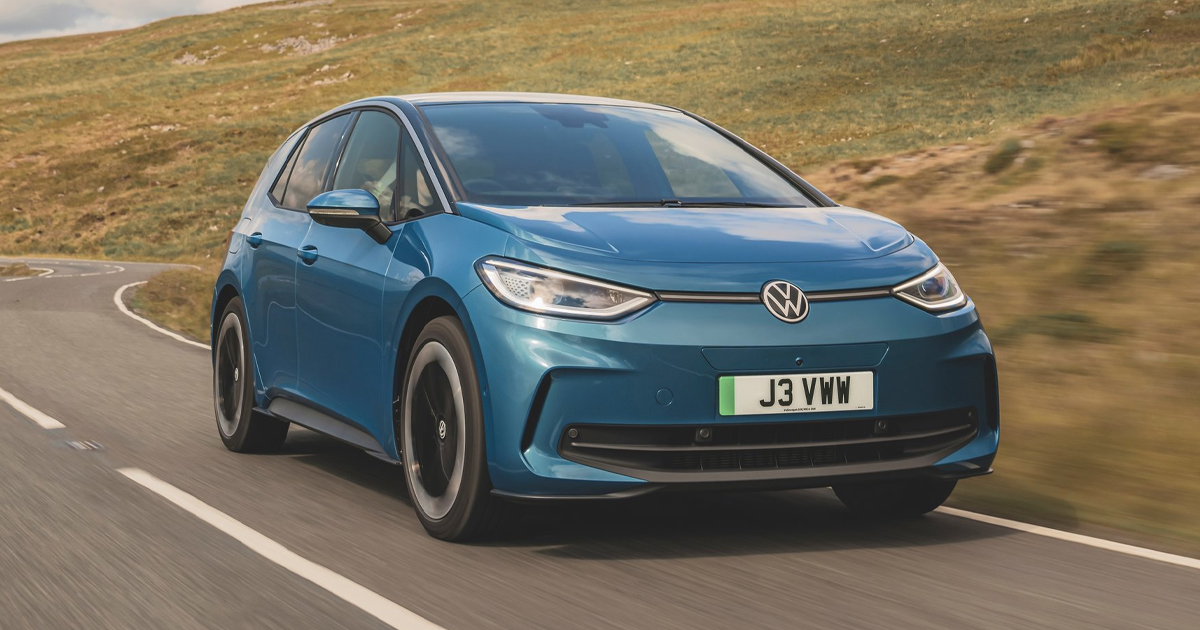
For example, the Volkswagen ID.3 150kW Match Pro 59kWh 5dr Auto has a 59kWh battery. When fully charged, this car’s battery can store up to 59kWh of energy. As you drive, the battery's electricity is gradually used up from 59kWh towards 0kWh.
It's important to note that not all of a battery’s total capacity is usable. Most EVs have a buffer to protect the battery from damage, meaning the usable kWh is slightly lower than the advertised gross capacity.
The kWh capacity of an electric car’s battery determines how far it can travel on a full charge. Larger batteries generally provide a longer driving range.
What does kW mean?
kW stands for ‘kilowatt’ and is a unit of power.
This measures how much power an appliance needs to run. For example, a 2kW kettle needs 2kW of power to boil water.
What does kW mean in electric cars?
In electric cars, kW measures two important things: the motor's power and the charger's speed.
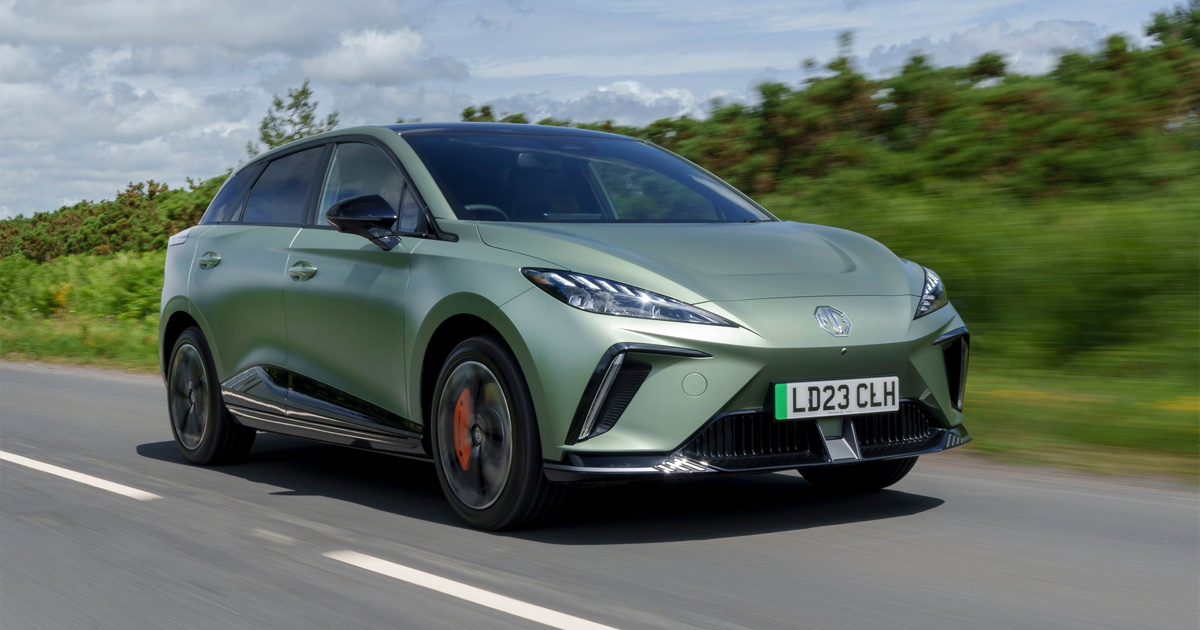
Every electric car has a motor, and the power of this motor is measured in kW. For example, the MG4 320kW EV XPOWER 64kWh 5dr Auto has a 320kW motor. This means the motor can produce 320kW of power, equivalent to 435bhp in a traditional petrol car. A higher kW rating means more power, which can improve acceleration and performance.
kW is also used to describe how quickly a charger can deliver electricity to the car’s battery. For example, a 7kW home charger will charge a car much slower than a 150kW ultra-rapid charger.
However, charging rates depend on the charger and the car’s maximum charging capability. Some models won’t accept ultra-rapid speeds, so it’s important to check your electric car’s specifications.
Additionally, charging speeds vary depending on battery temperature and state of charge. Fast charging is most effective when the battery is between 20-80%, but slows down as it nears full capacity to protect battery health.
Electric cars with the biggest battery
(Based on gross kWh battery capacity)
Mercedes-Benz EQS - 118kWh
BMW iX - 112kWh
Polestar 3 - 111kWh
Volvo EX90 - 111kWh
BMW i7 - 105kWh
Porsche Taycan - 105kWh
Audi e-tron GT - 105kWh
Kia EV9 - 100kWh
Peugeot e-3008 - 98kWh
Peugeot e-5008 - 98kWh
Summary
- kWh measures the total electricity stored in the car’s battery (higher kWh = longer range)
- kW measures power, including motor performance (higher kW = faster acceleration) and charging speed (higher kW = faster charging)
Now you know what kWh and kW mean, you’re better equipped to choose the right electric car for your needs, whether you prioritise range, performance, or charging speed.
Looking for a new car?
Explore our latest lease deals by clicking the buttons below.





.png)