

.jpg)

The electric car market is evolving quickly, but for many drivers, affordability has remained a key barrier to making the switch. That looks set to change, with a wave of smaller, more accessible electric vehicles arriving from some of the biggest names in the industry.
From retro-inspired city cars to compact crossovers packed with the latest tech, manufacturers are finally focusing on delivering EVs that are not only efficient, but also affordable too. If you’ve been holding off on going electric, these brand-new models could be well worth the wait.
Here’s a closer look at some of the most exciting small electric cars expected to launch in 2026.
Honda Super N
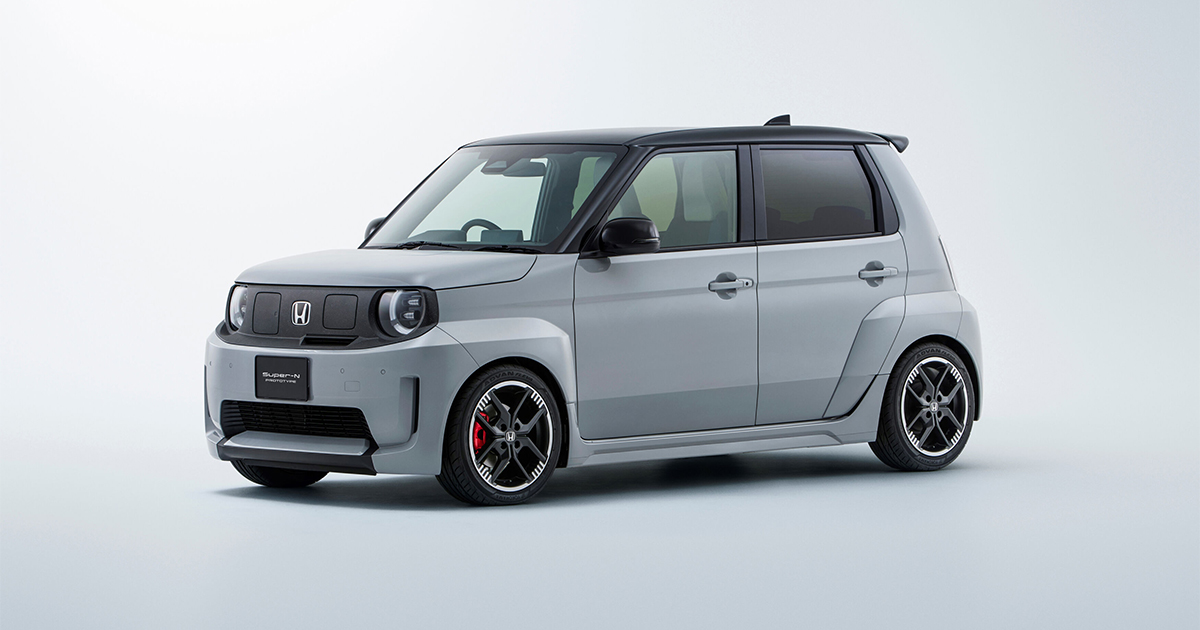
The Honda Super N is one of the smallest and most characterful electric cars heading to the UK, bringing Japan’s ‘kei car’ philosophy to a wider audience. Measuring just 3.45 metres in length, it’s significantly shorter than most rivals, making it suited to tight urban streets and city parking.
Despite its compact footprint, Honda has designed the Super N as a four-seater, prioritising passenger space within its narrow dimensions. Boot capacity is expected to be minimal, reflecting its city-first design, but the cabin still includes modern touches such as a 9-inch central display, a digital driver screen, and physical controls for key functions like climate settings and heated seats.
Performance is modest, with a 64bhp electric motor delivering power to the wheels, alongside a temporary ‘boost’ function that adds an extra burst of performance when needed. Honda is targeting a range of around 128 miles, reinforcing its role as a short-distance, urban-focused EV.
With pricing expected to sit close to £20,000, the Super N could become one of the most accessible electric cars on the market.
Renault Twingo E-Tech
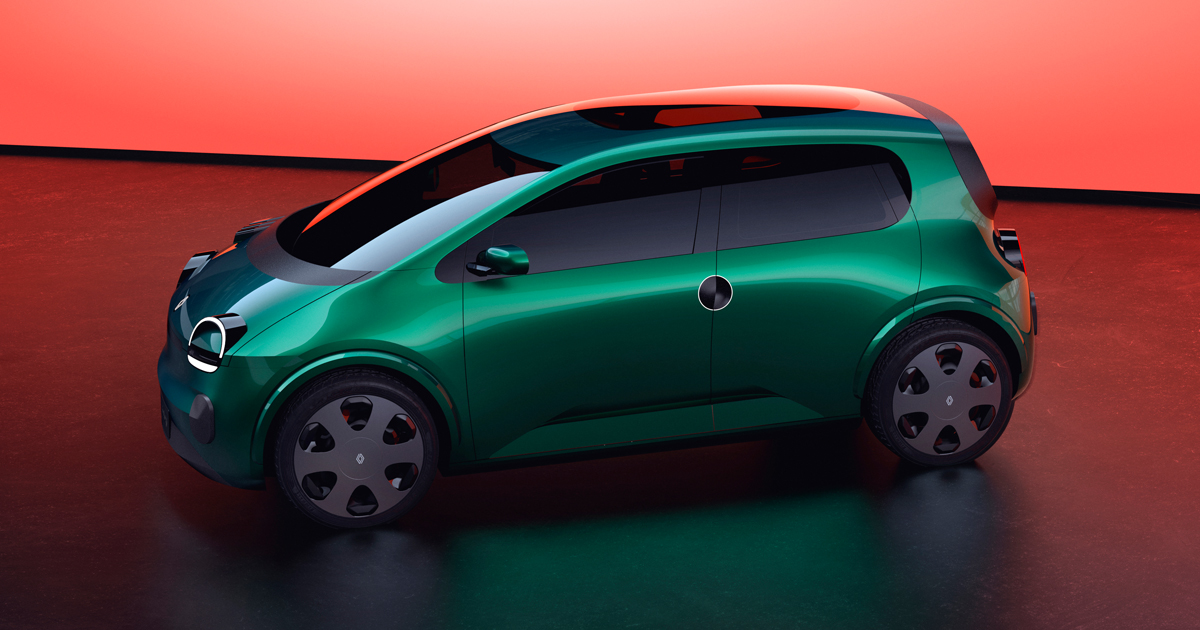
The return of the Renault Twingo E-Tech marks a significant step in making electric cars more affordable. Expected to arrive in the UK in 2026, priced below £20,000, it’s being positioned as one of the most attainable EVs in Europe.
Power comes from an 82bhp electric motor paired with a 27.5kWh battery, delivering a WLTP range up to 163 miles. The Twingo’s low weight helps it feel responsive, with quick acceleration at lower speeds making it particularly effective around town.
At just 3.8 metres long, the Twingo remains compact, but clever packaging means it offers more interior space than you might expect. Rear passengers benefit from a usable amount of legroom, while a sliding rear seat setup allows buyers to prioritise either passenger comfort or boot capacity. Luggage space ranges from 260 to 360 litres, depending on the configuration.
Inside, all models feature a 7-inch driver display alongside a 10-inch central touchscreen, giving the car a modern and user-friendly feel. Combined with its practical layout and approachable price point, the Twingo is shaping up to be one of the most important small EVs of the next few years.
Cupra Raval
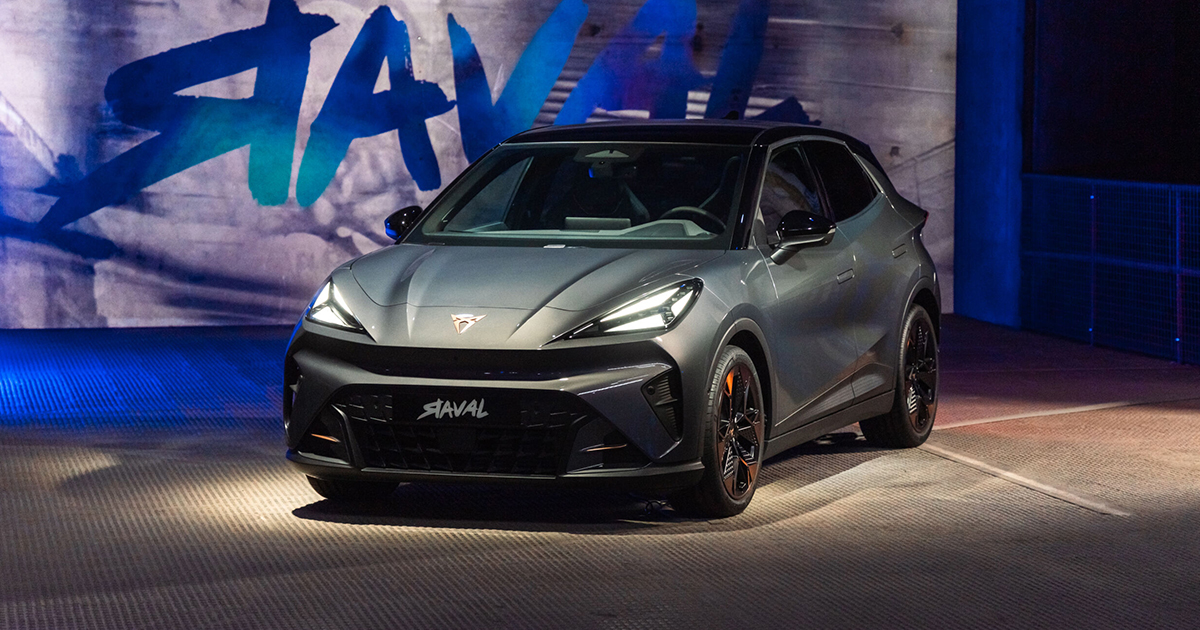
The Cupra Raval brings a more performance-focused option to the small EV segment, combining compact dimensions with a noticeably sportier character. At just over 4 metres long, it sits firmly in the supermini class, but features a wider stance and lower profile than its platform-mates to emphasise its dynamic intent.
Built on the Volkswagen Group’s MEB Plus platform, the Raval will be offered with a choice of battery sizes. Entry-level versions use a 37kWh battery with a range of around 185 miles, while higher-spec models feature a larger 52kWh unit capable of up to 280 miles (WLTP). This makes it suitable for both urban use and longer journeys, depending on the specification.
Power outputs vary across the range, starting at around 114bhp and rising to over 200bhp in more powerful versions. At the top of the line-up, the performance-focused VZ model delivers up to 222bhp and can accelerate from 0–62mph in approximately 7 seconds, offering a level of performance rarely seen in this segment.
Practicality hasn’t been overlooked either, with a boot capacity of up to 430 litres, which is strong for a car of this size. Inside, the Raval features a digital driver display and a large infotainment screen with full connectivity, over-the-air updates, and smartphone integration.
With prices expected to start from around £23,000, the Raval strikes a good balance between affordability and performance.
Volkswagen ID.Polo
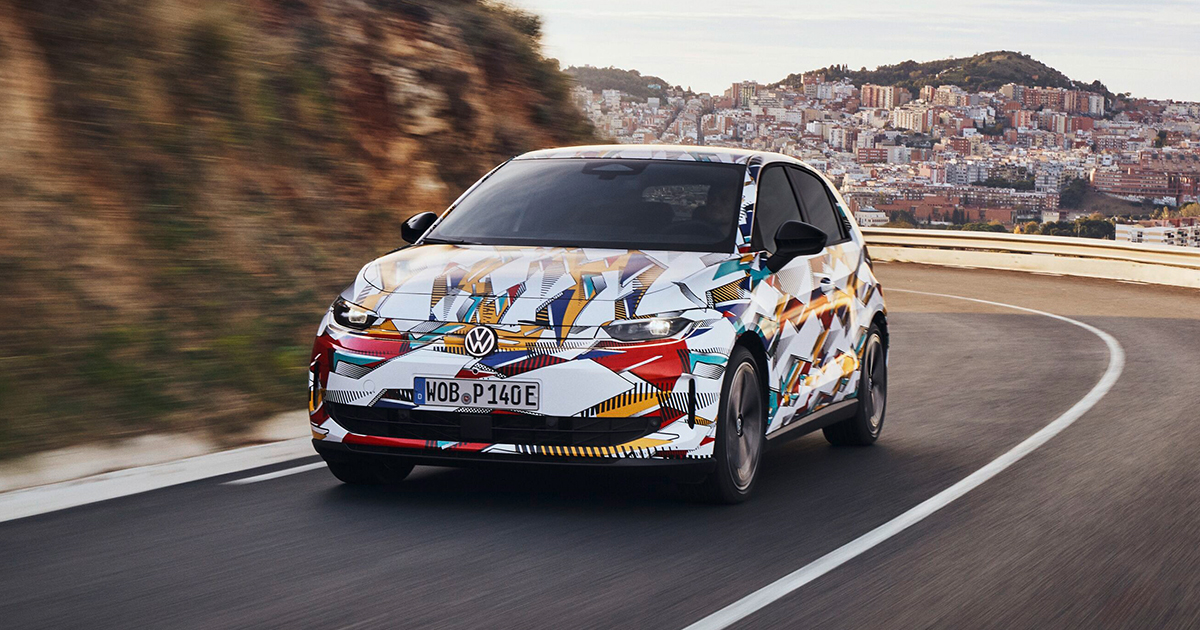
The upcoming Volkswagen ID.Polo, based on the ID.2all concept, represents Volkswagen’s push to bring electric mobility into the heart of the supermini market. Sitting alongside the petrol-powered Polo, it offers a fully electric alternative without moving up in size or price.
Measuring just over 4 metres in length, the ID.Polo adopts a more upright and modern design compared to earlier ID models, reflecting Volkswagen’s latest styling direction. Underneath, it shares the same MEB Plus platform as the Cupra Raval and Skoda Epiq, forming part of a wider family of compact EVs.
Buyers will have a choice of two battery options. The entry-level 37kWh battery delivers a range of up to 186 miles, while a larger 52kWh option increases that figure to around 279 miles (WLTP). Multiple power outputs will be available, ranging from 114bhp to over 220bhp, with a high-performance GTI version planned at the top of the range.
Volkswagen is targeting a starting price below £22,000, positioning the ID.Polo as one of the most affordable electric cars in its line-up. With its familiar name, practical dimensions, and competitive pricing, it is likely to play a major role in bringing EVs to a wider audience.
Skoda Epiq
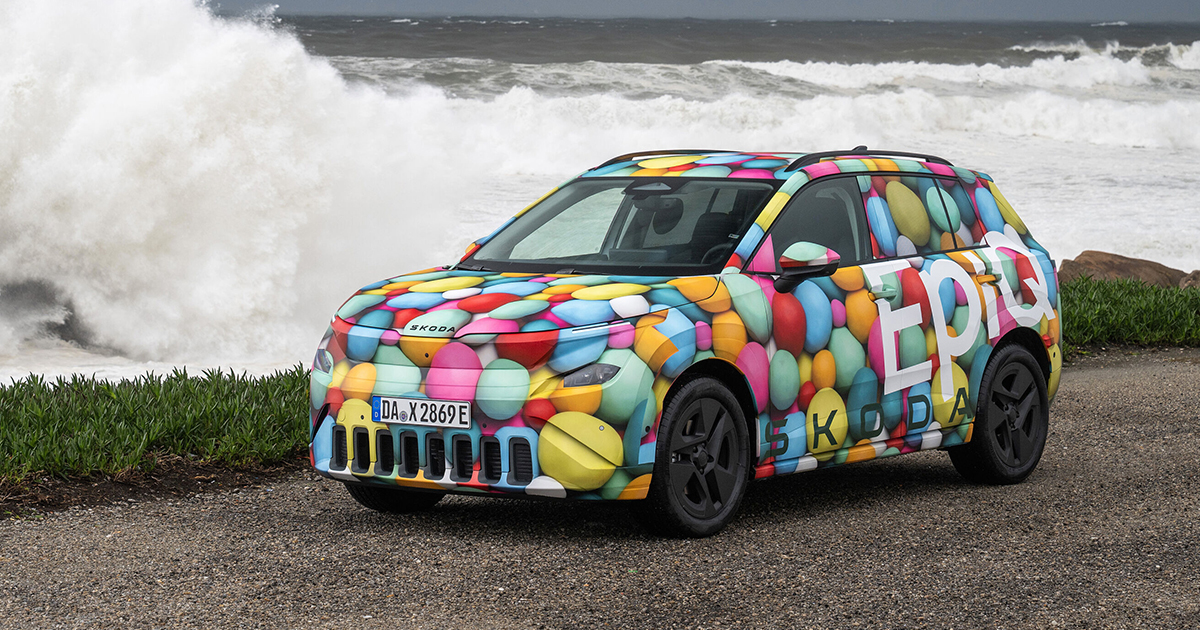
One of the larger cars on this list, the Skoda Epiq is designed to deliver maximum practicality at a competitive price point. Acting as the electric equivalent to Skoda’s popular small SUVs, it serves as the brand’s entry-level EV, focusing on usability, space, and value.
Like its Volkswagen Group counterparts, the Epiq is built on the MEB Plus platform and offers a range of battery and motor options. The line-up starts with a 37kWh battery paired with a 114bhp motor, delivering a range of around 192 miles. A more powerful version increases output to 133bhp, while the range-topping model uses a 52kWh battery and a 208bhp motor, offering up to 267 miles of range.
Performance in the top-spec version is strong for this class, with a 0–60mph time of around 7.4 seconds, while still maintaining a focus on efficiency and everyday usability.
Inside, the Epiq features a clean, functional layout with a 5.2-inch digital instrument display and a larger 13-inch infotainment screen. Skoda is aiming to keep pricing close to its petrol equivalents, with entry-level models expected to start at around £25,000 when it arrives in the second half of 2026.
Smart #2
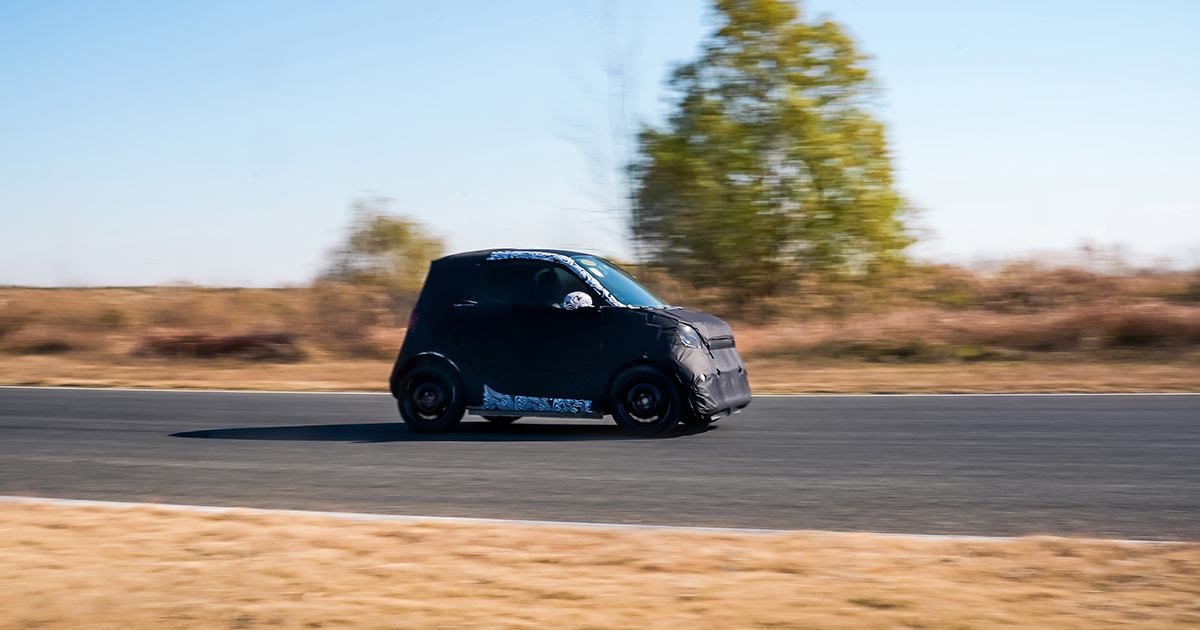
The Smart #2 signals a return to the brand’s original city-focused philosophy, but with modern electric technology. Set to become the smallest model in Smart’s line-up, it prioritises compact dimensions and urban usability over outright practicality.
Early development suggests the #2 will likely remain a two-seater, similar to the original Fortwo, making it one of the most space-efficient cars on the road. While final specifications are yet to be confirmed, industry expectations point to a battery of just over 30kWh, delivering a potential range of around 200 miles on the WLTP cycle.
If those figures are achieved, it would represent a significant improvement over previous Smart electric models, making the #2 far more usable beyond short city trips. The model is still in development, with a reveal expected in late 2026 and customer deliveries likely to follow in 2027.
Kia EV2
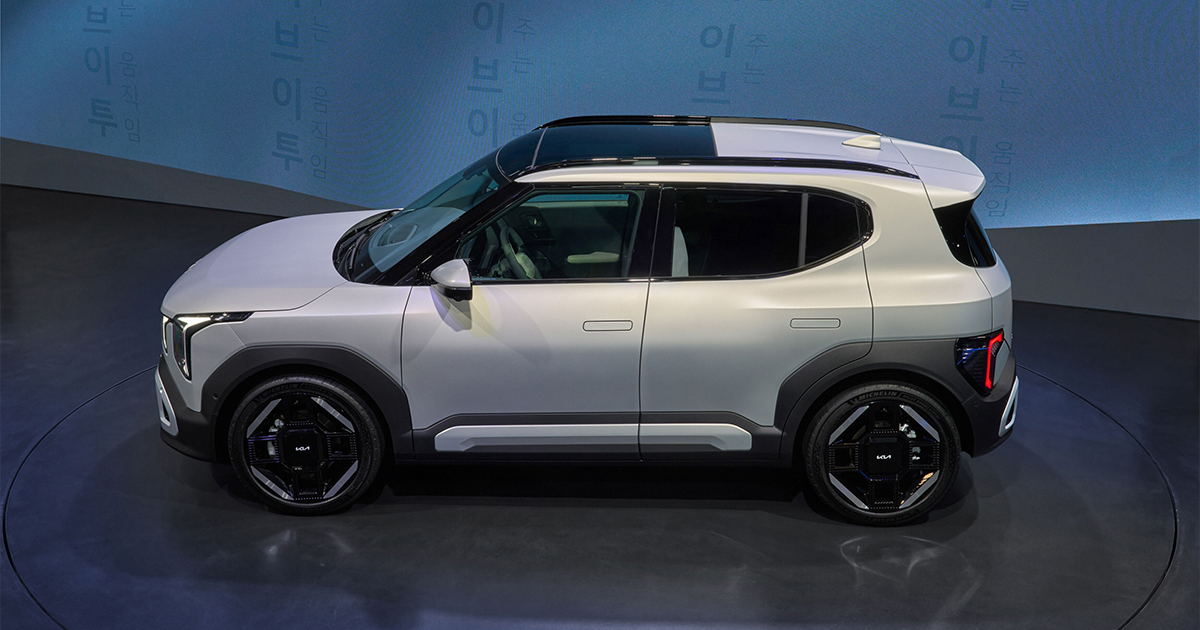
The Kia EV2 will become the smallest and most affordable electric model in Kia’s growing EV range, targeting buyers who want a practical and accessible entry point into electric driving. Positioned in the B-segment, it’s designed specifically for European roads and everyday use, combining compact dimensions with SUV-inspired styling.
Buyers will have a choice of two battery options. The standard model uses a 42.2kWh battery paired with a 144bhp motor, offering a range of just under 200 miles. A larger 61kWh battery is also available, increasing the WLTP range to around 270–280 miles depending on specification, making it a more viable option for longer journeys.
Inside, the EV2 follows Kia’s latest interior design, with a wide digital layout that includes a 12.3-inch driver display, a 12.3-inch infotainment screen, and a separate climate control panel. Practicality is a key focus, with flexible rear seating and a boot capacity of up to around 400 litres when configured for maximum space.
Despite its position as an entry-level model, the EV2 still offers a strong level of technology and safety features, along with fast-charging capability that can take the battery from 10–80% in around 30 minutes.
With pricing expected to start from the mid-£20,000 range, the EV2 looks set to play a key role in making Kia’s electric line-up more accessible to a wider audience.
Looking for a new car?
If you’re considering making the switch to electric, our team is here to help. From the latest EVs to tailored leasing options, we’ll help you find a vehicle that fits your needs and budget.
Get in touch today to start your journey.





.png)